

Wastewater treatment is a crucial process for maintaining environmental health and public safety. Biological nutrient removal (BNR) equipment plays a vital role in this process, effectively reducing nutrients such as nitrogen and phosphorus from wastewater. As a leading Wastewater Equipment supplier, I'm excited to share how BNR equipment operates to achieve efficient and sustainable wastewater treatment.

The Basics of Wastewater Biological Nutrient Removal
Before delving into how BNR equipment works, it's essential to understand the significance of biological nutrient removal. Wastewater often contains high levels of nitrogen and phosphorus, which can cause eutrophication in water bodies. Eutrophication leads to excessive algae growth, oxygen depletion, and harm to aquatic life. BNR processes aim to remove these nutrients through biological means, leveraging the metabolic activities of microorganisms.
Key Components of BNR Equipment
BNR equipment typically consists of several key components, each with a specific function in the treatment process.
Aeration Tanks
Aeration tanks are fundamental to BNR systems. In these tanks, oxygen is introduced into the wastewater to support the growth of aerobic microorganisms. These microorganisms are responsible for breaking down organic matter and converting ammonia (a form of nitrogen) into nitrate through a process called nitrification. The aeration process is carefully controlled to ensure optimal conditions for the growth and activity of these beneficial bacteria.
Anaerobic and Anoxic Zones
In addition to aeration tanks, BNR systems also include anaerobic and anoxic zones. Anaerobic zones lack oxygen, and in these areas, certain bacteria perform denitrification, converting nitrate back into nitrogen gas, which is released into the atmosphere. Anoxic zones have low oxygen levels and are used to promote specific biological reactions, such as the uptake of phosphorus by polyphosphate - accumulating organisms (PAOs).
Clarifiers
Clarifiers are used to separate the treated wastewater from the sludge. The sludge contains the microorganisms that have been actively involved in the treatment process. After separation, the treated water can be further polished or discharged, while the sludge can be recycled back into the system or sent for further treatment and disposal.
The Working Process of BNR Equipment
Step 1: Inflow and Equalization
The first step in the BNR process is the inflow of wastewater into the treatment system. The wastewater is often collected from various sources, such as domestic sewage, industrial effluents, and stormwater runoff. An equalization tank is used to balance the flow rate and composition of the incoming wastewater. This helps to ensure a consistent feed to the subsequent treatment processes, preventing sudden shocks to the biological treatment system.
Step 2: Anaerobic Treatment
Once the wastewater enters the anaerobic zone, the conditions are set for specific biological reactions. In this zone, PAOs take up volatile fatty acids (VFAs) present in the wastewater and store them as poly - β - hydroxyalkanoates (PHAs) while releasing phosphorus into the solution. This process is essential for the subsequent removal of phosphorus from the wastewater.
Step 3: Anoxic Treatment
After the anaerobic stage, the wastewater flows into the anoxic zone. Here, denitrifying bacteria use nitrate as an electron acceptor in the absence of oxygen. They convert nitrate to nitrogen gas, which escapes from the system. This process is crucial for reducing the nitrogen content in the wastewater.
Step 4: Aerobic Treatment
In the aerobic zone, the wastewater is aerated to provide oxygen for the growth and activity of aerobic microorganisms. Nitrification occurs in this stage, where ammonia is oxidized to nitrite and then to nitrate by nitrifying bacteria. Additionally, the aerobic conditions support the further degradation of organic matter by heterotrophic bacteria.
Step 5: Phosphorus Uptake
In the aerobic zone, PAOs that had stored PHAs in the anaerobic zone use the energy from PHA degradation to take up phosphorus from the wastewater and store it as polyphosphate within their cells. This results in the removal of phosphorus from the water phase.
Step 6: Solid - Liquid Separation
After the biological treatment processes, the wastewater enters the clarifier. Gravity settling is used to separate the sludge (containing the microorganisms) from the treated water. The clarified water can then be disinfected and discharged, while a portion of the sludge is recycled back to the treatment system to maintain a sufficient population of microorganisms, and the excess sludge is removed for further processing.
Advanced BNR Technologies
Moving Bed Biofilm Reactor (MBBR) System
One of the advanced technologies used in BNR is the MBBR System for Wastewater Treatment. In an MBBR system, plastic carriers are added to the treatment tanks. These carriers provide a large surface area for the attachment and growth of biofilms. The biofilms contain a diverse community of microorganisms that can perform various biological functions, including nitrification, denitrification, and organic matter degradation. The movement of the carriers in the tank enhances the contact between the wastewater and the biofilms, improving the efficiency of the treatment process.
Non - electric Sewage Purification Tank
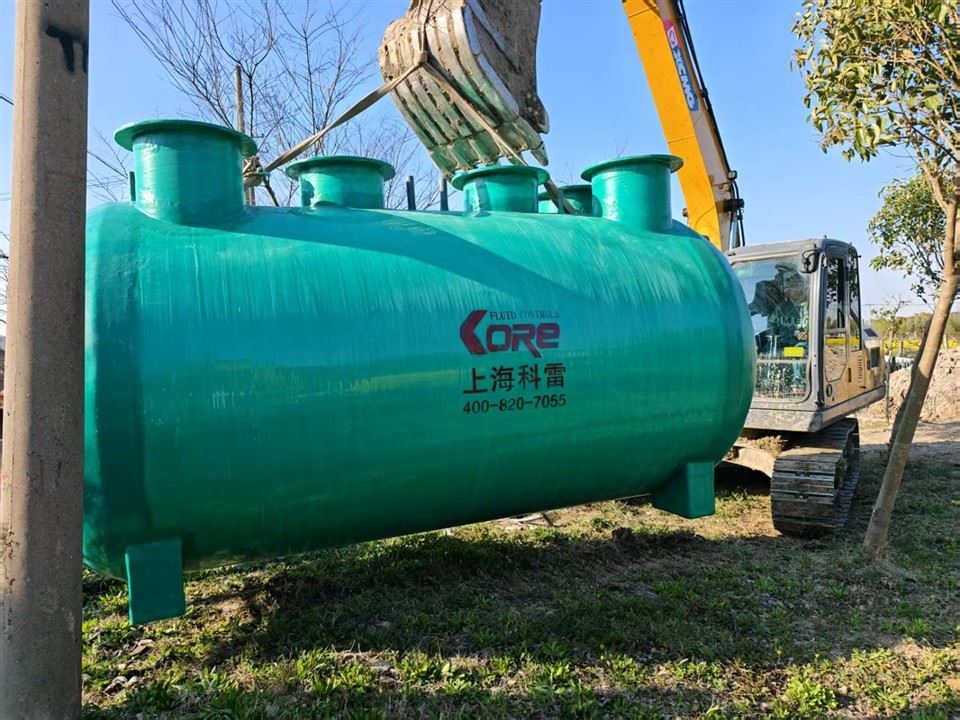
Another innovative solution is the Non - electric Sewage Purification Tank. This type of tank uses natural processes and simple mechanical designs to treat wastewater. It can be an ideal option for small - scale applications or areas with limited access to electricity. The tank relies on gravity flow and the activity of naturally occurring microorganisms to remove pollutants from the wastewater.
Advantages of BNR Equipment
Environmental Benefits
BNR equipment significantly reduces the discharge of nitrogen and phosphorus into water bodies, helping to prevent eutrophication and protect aquatic ecosystems. By removing these nutrients, the quality of the receiving water is improved, which is beneficial for fisheries, recreational activities, and overall environmental health.
Cost - effectiveness
Compared to some chemical treatment methods, BNR is often more cost - effective in the long run. Once the biological treatment system is established, the operating costs are relatively low, mainly consisting of energy for aeration and the maintenance of the equipment. Additionally, the use of biological processes reduces the need for expensive chemicals, making it a more sustainable option.
Versatility
BNR equipment can be designed and customized to meet the specific needs of different wastewater sources and treatment requirements. Whether it's treating domestic sewage, industrial wastewater, or agricultural runoff, BNR systems can be adapted to achieve the desired level of nutrient removal.
Contact Us for BNR Equipment
If you are in need of high - quality Wastewater Equipment for biological nutrient removal, we are here to help. Our company offers a wide range of BNR solutions, including advanced technologies such as MBBR systems and non - electric sewage purification tanks. We have a team of experts who can provide customized design, installation, and after - sales service to ensure the efficient operation of your wastewater treatment system. Contact us today to discuss your specific requirements and start the procurement process.
References
Metcalf & Eddy. (2003). Wastewater Engineering: Treatment and Reuse. McGraw - Hill.
Tchobanoglous, G., Burton, F. L., & Stensel, H. D. (2003). Wastewater Engineering: Treatment, Disposal, and Reuse. Pearson Education.
WEF (Water Environment Federation). (2014). Biological Nutrient Removal: Principles and Practice. WEF Press.