

Hey there! As a supplier of Wastewater Equipment, I'm super excited to share with you how wastewater membrane bioreactor (MBR) equipment works. It's a pretty cool technology that's making waves in the wastewater treatment world.
Let's start with the basics. What is a wastewater MBR system? Well, it's a combination of two key processes: biological treatment and membrane filtration. In simple terms, it uses microorganisms to break down the organic matter in wastewater, and then a membrane to separate the clean water from the sludge.
Biological Treatment Phase
The first step in the MBR process is the biological treatment. This happens in a tank called the aeration tank. Inside this tank, we have a whole bunch of microorganisms, mainly bacteria. These little guys are like tiny cleaning machines. They feast on the organic pollutants in the wastewater, such as food particles, human waste, and other organic compounds.
We need to provide the right environment for these bacteria to thrive. That's where aeration comes in. We pump air into the tank to keep the water well - oxygenated. Just like us, bacteria need oxygen to live and carry out their metabolic processes. The oxygen helps the bacteria break down the organic matter more efficiently through a process called aerobic digestion.
As the bacteria consume the organic matter, they convert it into carbon dioxide, water, and more bacteria. Over time, a large amount of biomass (the bacteria and other microorganisms) builds up in the tank. This biomass is really important because it's what does most of the heavy - lifting when it comes to cleaning the wastewater.
Membrane Filtration Phase
Once the biological treatment is done, it's time for the membrane filtration. This is where the magic really happens. The membrane in an MBR system acts like a super - fine sieve. It has tiny pores that are so small that they can trap even the tiniest particles, including bacteria, viruses, and suspended solids.
There are different types of membranes used in MBRs, such as microfiltration (MF) and ultrafiltration (UF) membranes. Microfiltration membranes have pores in the range of 0.1 to 10 micrometers, while ultrafiltration membranes have even smaller pores, typically between 0.001 and 0.1 micrometers.
The membranes are usually submerged in the aeration tank or placed in a separate tank. When the water passes through the membrane, the clean water (permeate) is collected on one side, while the sludge and other contaminants are retained on the other side. This separation is really effective, and it can produce water that is of very high quality.
Advantages of MBR Technology
One of the biggest advantages of MBR technology is the high - quality effluent it produces. The water that comes out of an MBR system is often clean enough to be reused for non - potable purposes, like irrigation or industrial processes. This is great for conserving water, especially in areas where water is scarce.
Another advantage is the compact design. MBR systems take up less space compared to traditional wastewater treatment systems. This is because the membrane filtration allows for a higher biomass concentration in the aeration tank, which means we can treat more wastewater in a smaller area.

MBR systems are also more reliable and easier to operate. Since the membrane does such a good job of separating the sludge from the water, there's less need for complex sedimentation and clarification processes. This reduces the risk of sludge bulking and other operational problems that can occur in traditional systems.
Our Wastewater Equipment Offerings
As a Wastewater Equipment supplier, we offer a wide range of products to meet different wastewater treatment needs. For example, we have Floor Standing Sewage Lifting Equipment. This equipment is great for lifting sewage from lower levels to a higher elevation, which is often necessary in buildings or industrial facilities.
Our Wastewater Equipment includes not only MBR systems but also other types of treatment equipment. We have everything from pumps and valves to chemical dosing systems. This means we can provide a complete solution for your wastewater treatment needs.
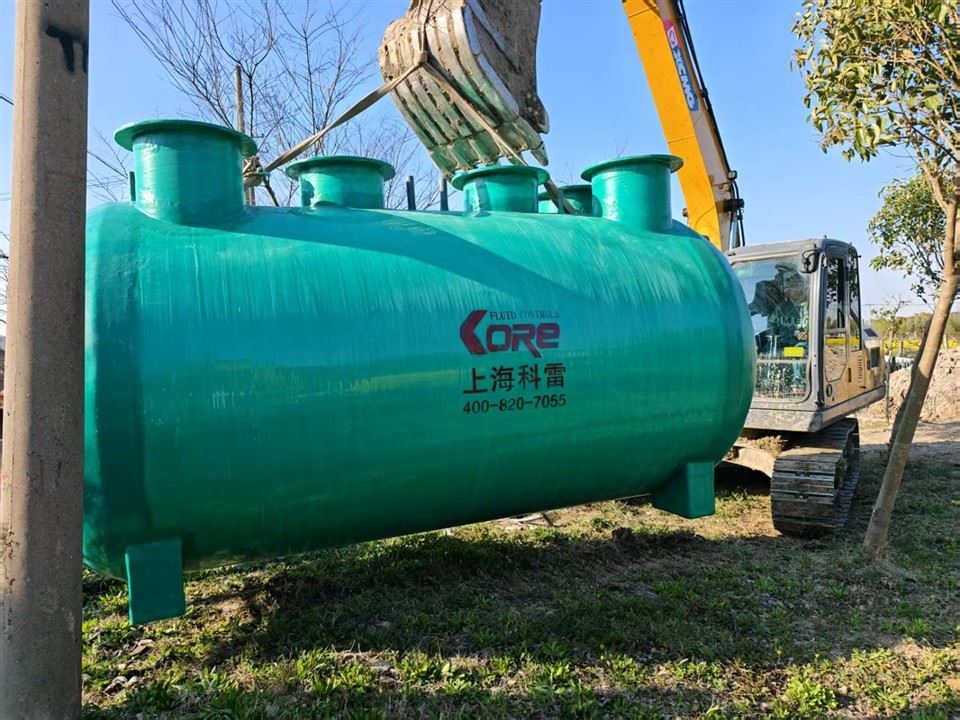
And if you're looking for a more cost - effective and low - maintenance option, our Non - electric Sewage Purification Tank might be just what you need. It uses natural processes to purify sewage without the need for electricity, making it a great choice for remote areas or small - scale applications.
How to Keep Your MBR System Running Smoothly
To keep your MBR system in top shape, there are a few things you need to do. First, you need to monitor the water quality regularly. This includes checking the levels of dissolved oxygen, pH, and the concentration of organic matter in the wastewater. By keeping an eye on these parameters, you can make sure that the bacteria in the aeration tank are working effectively.
You also need to clean the membranes regularly. Over time, the membranes can get fouled with sludge and other contaminants. This can reduce the flow of water through the membrane and decrease the efficiency of the system. We usually use a combination of physical and chemical cleaning methods to remove the fouling.
Another important aspect is to control the sludge age. The sludge age refers to the average time that the sludge stays in the system. By controlling the sludge age, you can ensure that the biomass in the tank is healthy and active.
Contact Us for Your Wastewater Treatment Needs
If you're in the market for wastewater treatment equipment, especially MBR systems, we'd love to hear from you. Whether you're a small business looking to treat your industrial wastewater or a municipality in need of a large - scale treatment solution, we have the expertise and the products to meet your needs.
Don't hesitate to reach out to us for more information, a quote, or to discuss your specific requirements. We're here to help you find the best wastewater treatment solution for your situation.
References
- Metcalf & Eddy. (2003). Wastewater Engineering: Treatment and Reuse. McGraw - Hill.
- Stephenson, T., Judd, S., Jefferson, B., & Brindle, K. (2000). Membrane Bioreactors for Wastewater Treatment. IWA Publishing.