

When it comes to managing sewage and wastewater, a self-priming sewage pump is a crucial piece of equipment. It offers the convenience of automatic priming, which saves time and effort during installation and operation. However, choosing the right self-priming sewage pump with good after-sales service can be a daunting task. As a self-priming sewage pump supplier, I'd like to share some insights on how to make this important decision.
Understanding Your Requirements
Before you start looking for a self-priming sewage pump, it's essential to understand your specific requirements. Consider the following factors:
- Flow Rate: Determine the volume of sewage or wastewater that needs to be pumped per unit of time. This will depend on the size of the area you're servicing, such as a residential building, commercial establishment, or industrial facility.
- Head Pressure: Calculate the vertical distance the pump needs to lift the sewage or wastewater, as well as the horizontal distance and any friction losses in the piping system. This will help you select a pump with the appropriate head pressure rating.
- Sewage Characteristics: Take into account the nature of the sewage or wastewater you'll be pumping. If it contains solid particles, fibrous materials, or corrosive substances, you'll need a pump that can handle these challenges. For example, a Cutting-type Submersible Sewage Pump is designed to cut through solid materials, while a Non-blocking Submersible Sewage Pump is less likely to clog.
Evaluating Pump Features
Once you have a clear understanding of your requirements, it's time to evaluate the features of different self-priming sewage pumps. Here are some key features to look for:
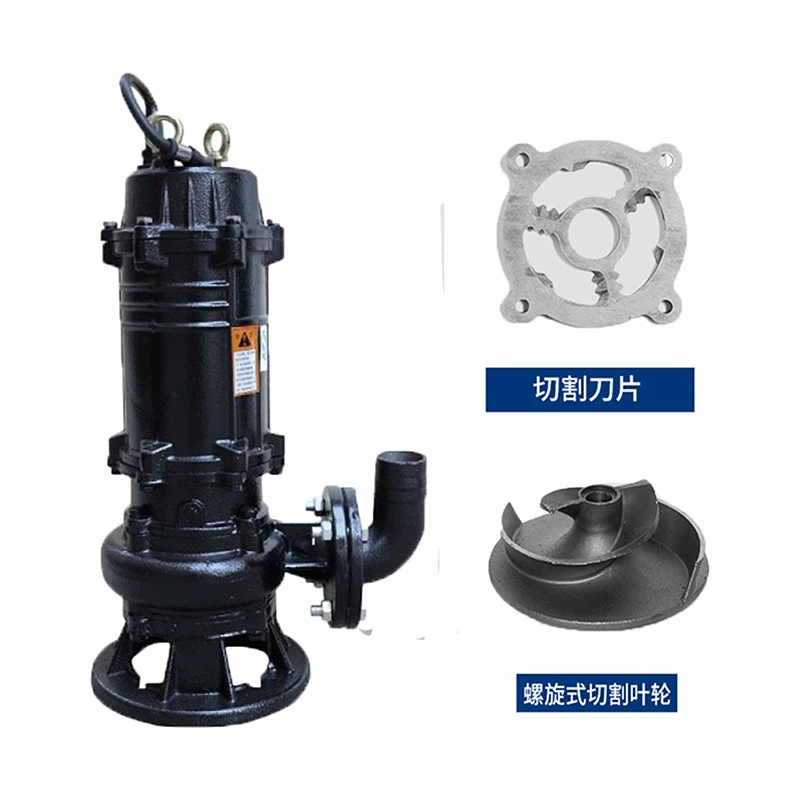

- Self-Priming Capability: As the name suggests, a self-priming sewage pump should be able to prime itself without the need for external assistance. This is especially important in applications where the pump may be located above the water level.
- Power and Efficiency: Choose a pump with sufficient power to meet your flow rate and head pressure requirements. At the same time, look for a pump that is energy-efficient to reduce operating costs.
- Durability and Reliability: Sewage pumps are often exposed to harsh environments and heavy use, so it's important to choose a pump that is built to last. Look for pumps made from high-quality materials and with a proven track record of reliability.
- Ease of Maintenance: Regular maintenance is essential to keep your sewage pump running smoothly. Choose a pump that is easy to access and service, with features such as removable covers and accessible impellers.
Assessing After-Sales Service
In addition to the pump itself, after-sales service is an important consideration when choosing a self-priming sewage pump. Here are some factors to evaluate:
- Warranty: A good warranty is a sign of a manufacturer's confidence in their product. Look for a pump with a comprehensive warranty that covers parts and labor for a reasonable period of time.
- Technical Support: When you have questions or encounter problems with your pump, you'll want to be able to rely on prompt and knowledgeable technical support. Choose a supplier that offers 24/7 technical support and has a team of experienced technicians.
- Spare Parts Availability: Over time, you may need to replace parts of your pump. Make sure the supplier you choose has a good inventory of spare parts and can provide them quickly when needed.
- Service Network: If your pump requires on-site service, it's important to choose a supplier with a wide service network. This will ensure that you can get timely and reliable service, no matter where you are located.
Comparing Suppliers
Once you have evaluated the features and after-sales service of different self-priming sewage pumps, it's time to compare suppliers. Here are some factors to consider:
- Reputation: Look for a supplier with a good reputation in the industry. You can check online reviews, ask for references, and look for industry awards or certifications.
- Experience: A supplier with years of experience in the sewage pump industry is more likely to have the knowledge and expertise to help you choose the right pump for your needs.
- Product Range: Choose a supplier that offers a wide range of self-priming sewage pumps to meet your specific requirements. This will give you more options and ensure that you can find the perfect pump for your application.
- Price: While price is an important consideration, it shouldn't be the only factor. Make sure you're comparing apples to apples when evaluating prices, and consider the overall value of the pump and the after-sales service.
Making Your Decision
After you have compared suppliers and evaluated all the factors, it's time to make your decision. Choose the self-priming sewage pump and supplier that best meet your requirements and budget. Remember, investing in a high-quality pump with good after-sales service will save you time, money, and headaches in the long run.
Conclusion
Choosing a self-priming sewage pump with good after-sales service is an important decision that requires careful consideration. By understanding your requirements, evaluating pump features, assessing after-sales service, comparing suppliers, and making an informed decision, you can ensure that you choose the right pump for your needs. If you have any questions or need further assistance, please don't hesitate to contact us. We're here to help you find the perfect self-priming sewage pump for your application.
References
- "Sewage Pump Selection Guide," XYZ Company
- "Self-Priming Pumps: How They Work and When to Use Them," ABC Magazine