

A self-priming sewage pump is a crucial piece of equipment in various industries, especially those dealing with wastewater management. The suction lift of a self-priming sewage pump refers to the vertical distance the pump can lift the liquid from the source to the pump inlet. Improving the suction lift can enhance the pump's efficiency and expand its application scope. As a self-priming sewage pump supplier, I'd like to share some effective ways to improve the suction lift of a self-priming sewage pump.
Understanding the Basics of Suction Lift
Before delving into the methods of improvement, it's essential to understand the factors that affect the suction lift of a self-priming sewage pump. The suction lift is primarily influenced by the pump's design, the properties of the liquid being pumped, and the environmental conditions.
The pump's design includes features such as the impeller shape, the volute design, and the self-priming mechanism. A well-designed impeller can generate a strong centrifugal force, which helps in lifting the liquid. The volute design should be optimized to minimize energy losses during the pumping process. The self-priming mechanism, such as a built-in air separator, plays a vital role in removing air from the suction line and allowing the pump to prime itself effectively.
The properties of the liquid, such as its viscosity, density, and temperature, also impact the suction lift. High-viscosity liquids require more energy to be lifted, reducing the suction lift. Similarly, liquids with a high density or elevated temperature can pose challenges to the pump's suction performance.
Environmental conditions, including the altitude and atmospheric pressure, can affect the suction lift. At higher altitudes, the atmospheric pressure is lower, which reduces the maximum possible suction lift.
Methods to Improve Suction Lift
Optimize the Pump Design
- Impeller Design: The impeller is the heart of the pump, responsible for generating the centrifugal force that lifts the liquid. A carefully designed impeller with the right blade shape, number of blades, and diameter can significantly improve the suction lift. For example, a semi-open or open impeller design can handle solids and fibrous materials more effectively, reducing the risk of clogging and improving the pump's overall performance.
- Volute Design: The volute is the casing that surrounds the impeller and converts the kinetic energy of the liquid into pressure energy. An optimized volute design with a smooth flow path and proper cross-sectional area can minimize energy losses and enhance the suction lift. Computational Fluid Dynamics (CFD) analysis can be used to simulate the flow inside the volute and optimize its design.
- Self-Priming Mechanism: A reliable self-priming mechanism is essential for achieving a high suction lift. Some self-priming sewage pumps are equipped with an air separator that separates the air from the liquid and expels it from the pump. This allows the pump to prime itself quickly and maintain a stable suction lift. Regular maintenance of the self-priming mechanism, such as cleaning the air separator, is crucial to ensure its proper functioning.
Select the Right Pump for the Application
- Pump Capacity: Choosing a pump with the appropriate capacity for the application is crucial. An undersized pump may not be able to achieve the desired suction lift, while an oversized pump can lead to excessive energy consumption and premature wear. Consider factors such as the flow rate, head, and the nature of the liquid being pumped when selecting the pump capacity.
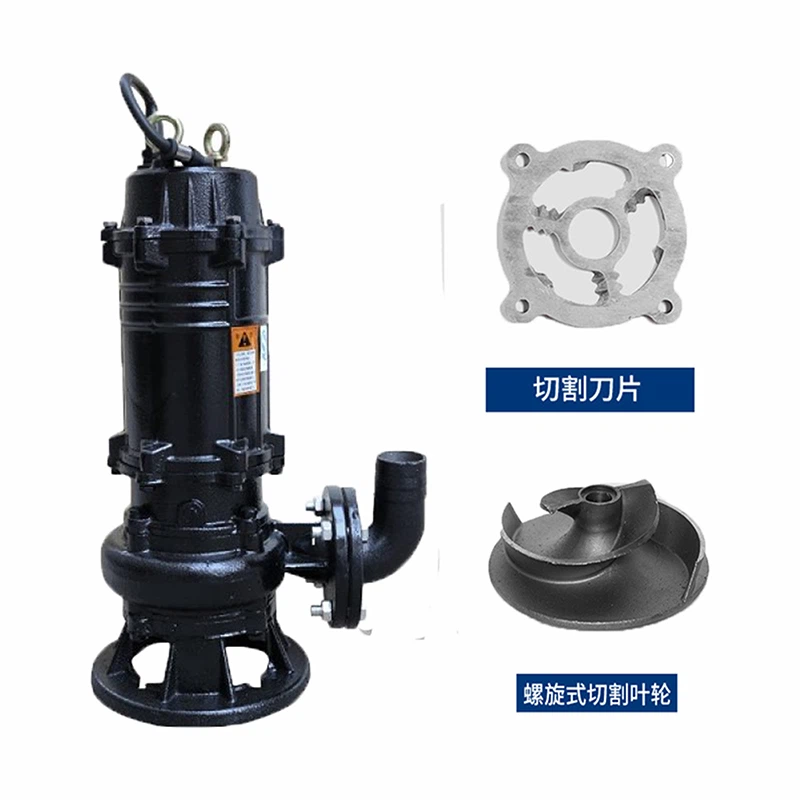
- Pump Type: Different types of self-priming sewage pumps are available in the market, each with its own advantages and limitations. For example, Cutting-type Submersible Sewage Pump is suitable for applications where the liquid contains large solids or fibrous materials. The cutting mechanism can break down the solids, preventing clogging and improving the suction lift. Non-blocking Submersible Sewage Pump is designed to handle liquids with a high concentration of solids without clogging. Stirring Sewage Pump is ideal for applications where the liquid needs to be stirred to prevent sedimentation. Selecting the right pump type based on the specific application requirements can significantly improve the suction lift.
Improve the Suction Line Installation
- Suction Line Diameter: The diameter of the suction line should be selected carefully to minimize friction losses. A larger diameter suction line can reduce the velocity of the liquid, resulting in lower friction losses and improved suction lift. However, an excessively large diameter can also lead to increased costs and a larger footprint.
- Suction Line Length: Keeping the suction line as short as possible can minimize the friction losses and improve the suction lift. Avoid unnecessary bends, elbows, and valves in the suction line, as these can increase the resistance to flow and reduce the suction lift.
- Suction Line Material: The material of the suction line should be selected based on the properties of the liquid being pumped. For example, a corrosion-resistant material should be used for pumping corrosive liquids. A smooth inner surface of the suction line can also reduce friction losses and improve the suction lift.
Consider the Liquid Properties
- Viscosity: High-viscosity liquids can significantly reduce the suction lift of a self-priming sewage pump. If possible, pre-treat the liquid to reduce its viscosity, such as by heating or diluting it. Using a pump specifically designed for high-viscosity liquids can also improve the suction lift.
- Temperature: Elevated temperatures can reduce the density of the liquid and increase the vapor pressure, which can lead to cavitation and reduced suction lift. If the liquid temperature is high, consider using a pump with a higher temperature rating or implementing cooling measures to lower the liquid temperature.
- Solids Content: The presence of solids in the liquid can cause clogging and reduce the suction lift. Using a pump with a suitable solids handling capacity, such as a Cutting-type Submersible Sewage Pump, can prevent clogging and improve the suction lift.
Conclusion
Improving the suction lift of a self-priming sewage pump requires a comprehensive approach that considers the pump design, the application requirements, the suction line installation, and the liquid properties. By optimizing these factors, the suction lift can be enhanced, leading to improved pump efficiency and performance.
As a self-priming sewage pump supplier, we offer a wide range of high-quality pumps designed to meet the diverse needs of our customers. Our pumps are equipped with advanced features and technologies to ensure reliable operation and high suction lift. If you are looking for a self-priming sewage pump or need advice on improving the suction lift of your existing pump, please feel free to contact us for a consultation. We are committed to providing you with the best solutions for your wastewater management needs.
References
- Pump Handbook, 4th Edition, by Igor J. Karassik, Joseph P. Messina, Paul Cooper, and Charles C. Heald.
- Hydraulic Machinery: Design, Operation, and Maintenance, by S. K. Som and G. Biswas.
- Fluid Mechanics, 5th Edition, by Frank M. White.