

Vibration in a self-priming sewage pump can be a significant concern, as it not only affects the pump's performance but also its longevity and the overall efficiency of the system. As a reputable Self-priming Sewage Pump Self-priming Sewage Pump supplier, we understand the importance of addressing this issue effectively. In this blog post, we will explore various strategies to reduce the vibration of a self-priming sewage pump.
Understanding the Causes of Vibration
Before we delve into the solutions, it is crucial to understand the root causes of vibration in self-priming sewage pumps. Several factors can contribute to excessive vibration, including:
1. Imbalanced Impeller
The impeller is a critical component of the pump that rotates at high speeds to create the necessary suction and discharge. If the impeller is imbalanced, it can cause uneven forces, leading to vibration. Imbalance can occur due to manufacturing defects, wear and tear, or the accumulation of debris on the impeller blades.
2. Misalignment
Misalignment between the pump and the motor is another common cause of vibration. When the pump and motor are not properly aligned, it can result in excessive stress on the coupling and bearings, leading to vibration and premature wear. Misalignment can occur during installation or due to thermal expansion and contraction.
3. Cavitation
Cavitation is a phenomenon that occurs when the pressure in the pump drops below the vapor pressure of the liquid, causing the formation of vapor bubbles. When these bubbles collapse, they create shockwaves that can cause vibration and damage to the pump components. Cavitation can be caused by factors such as low suction pressure, high flow rates, or a clogged suction line.
4. Loose Mounting
If the pump is not securely mounted, it can vibrate excessively. Loose mounting can occur due to improper installation, worn mounting bolts, or the movement of the pump over time.
5. Resonance
Resonance occurs when the natural frequency of the pump or its components matches the frequency of the vibration source. This can amplify the vibration and cause significant damage to the pump. Resonance can be caused by factors such as the speed of the pump, the stiffness of the mounting structure, or the presence of other vibrating equipment nearby.
Strategies to Reduce Vibration
1. Balancing the Impeller
Balancing the impeller is one of the most effective ways to reduce vibration in a self-priming sewage pump. This involves measuring the imbalance of the impeller and adding or removing weight to achieve a balanced state. There are two main types of balancing: static balancing and dynamic balancing.
- Static Balancing: Static balancing is a simple method that involves placing the impeller on a balancing stand and adjusting the weight until it remains stationary. This method is suitable for low-speed pumps and can help reduce vibration caused by minor imbalances.
- Dynamic Balancing: Dynamic balancing is a more precise method that involves rotating the impeller at high speeds and measuring the imbalance using a balancing machine. This method is suitable for high-speed pumps and can help reduce vibration caused by significant imbalances.
2. Proper Alignment
Proper alignment between the pump and the motor is essential to reduce vibration. This involves ensuring that the pump and motor shafts are in line and that the coupling is properly installed. There are several methods for aligning the pump and motor, including:
- Laser Alignment: Laser alignment is a precise and efficient method that uses a laser beam to measure the alignment of the pump and motor shafts. This method can help ensure accurate alignment and reduce the risk of vibration.
- Dial Indicator Alignment: Dial indicator alignment is a traditional method that uses a dial indicator to measure the alignment of the pump and motor shafts. This method is less precise than laser alignment but can still be effective in achieving proper alignment.
3. Preventing Cavitation
Preventing cavitation is crucial to reducing vibration in a self-priming sewage pump. This involves ensuring that the pump is operating within its recommended suction pressure range and that the suction line is free of debris. Here are some tips to prevent cavitation:
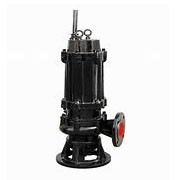

- Check the Suction Pressure: Regularly check the suction pressure of the pump to ensure that it is within the recommended range. If the suction pressure is too low, it can cause cavitation.
- Clean the Suction Line: Regularly clean the suction line to remove any debris or blockages that could restrict the flow of liquid and cause cavitation.
- Use a Suction Strainer: Install a suction strainer to prevent large debris from entering the pump and causing cavitation.
4. Secure Mounting
Securing the pump properly is essential to reduce vibration. This involves using the correct mounting bolts and ensuring that they are tightened to the recommended torque. Here are some tips for secure mounting:
- Use the Correct Mounting Bolts: Use the correct size and type of mounting bolts for the pump. The bolts should be made of high-quality material and have the appropriate strength to withstand the forces generated by the pump.
- Tighten the Mounting Bolts: Tighten the mounting bolts to the recommended torque using a torque wrench. Over-tightening the bolts can cause damage to the pump, while under-tightening can result in loose mounting and excessive vibration.
- Check the Mounting Regularly: Regularly check the mounting of the pump to ensure that the bolts are still tight and that the pump is securely mounted.
5. Avoiding Resonance
Avoiding resonance is crucial to reducing vibration in a self-priming sewage pump. This involves ensuring that the natural frequency of the pump and its components does not match the frequency of the vibration source. Here are some tips to avoid resonance:
- Change the Pump Speed: Changing the speed of the pump can help avoid resonance. This can be done by adjusting the motor speed or using a variable frequency drive.
- Modify the Mounting Structure: Modifying the mounting structure can help change the natural frequency of the pump and avoid resonance. This can be done by adding or removing mass or by changing the stiffness of the mounting structure.
- Isolate the Pump: Isolating the pump from other vibrating equipment can help reduce the risk of resonance. This can be done by using vibration isolators or by placing the pump on a separate foundation.
Conclusion
Reducing the vibration of a self-priming sewage pump is essential to ensure its optimal performance, longevity, and the overall efficiency of the system. By understanding the causes of vibration and implementing the strategies outlined in this blog post, you can effectively reduce vibration and extend the life of your pump.
As a leading Self-priming Sewage Pump supplier, we offer a wide range of high-quality pumps that are designed to minimize vibration and provide reliable performance. Our pumps are available in various sizes and configurations to meet the specific needs of your application. If you are experiencing vibration issues with your self-priming sewage pump or are looking for a new pump, we encourage you to contact us for more information. Our team of experts will be happy to assist you in selecting the right pump for your needs and providing you with the support and guidance you need to ensure its proper installation and operation.
References
- "Pump Handbook" by Igor J. Karassik et al.
- "Centrifugal Pumps: Design and Application" by Heinz P. Bloch and Allan R. Budris.
- "Vibration Analysis for Rotating Machinery" by Robert B. Randall.