

Yo! I'm a supplier of dredge pumps, and today I wanna chat about anti - cavitation measures for these pumps. Cavitation can be a real pain in the you - know - what for dredge pumps. It can cause all sorts of problems, like reduced efficiency, increased wear and tear, and even damage to the pump components. So, let's dig into some effective ways to prevent it.
Understanding Cavitation in Dredge Pumps
First off, what the heck is cavitation? Well, when the pressure in a liquid drops below its vapor pressure, vapor bubbles form. These bubbles then collapse when they reach a region of higher pressure. This collapsing action is what causes the damage. In dredge pumps, cavitation often occurs due to factors like high flow rates, low inlet pressures, or improper pump design.
Anti - Cavitation Measures
1. Proper Pump Selection
Picking the right pump for the job is crucial. You gotta consider things like the flow rate, head, and the characteristics of the fluid you're pumping. A pump that's too small for the task might have to work too hard, leading to low inlet pressures and cavitation. On the other hand, an oversized pump can also cause issues by creating unstable flow conditions.
We offer a variety of dredge pumps, like the Stirring Sewage Pump. This pump is designed to handle tough jobs with a high - efficiency impeller that helps maintain proper flow and pressure, reducing the risk of cavitation.
2. Inlet Design
The inlet of the pump plays a huge role in preventing cavitation. A well - designed inlet can ensure a smooth and even flow of fluid into the pump. It should be large enough to allow an adequate amount of fluid to enter without creating excessive turbulence.
One way to improve the inlet design is to use a bell - shaped inlet. This shape helps to gradually increase the velocity of the fluid as it enters the pump, reducing the chances of pressure drops that can lead to cavitation.
3. Suction Pipe Installation
The suction pipe is like the pump's straw. If it's too long, too narrow, or has too many bends, it can create restrictions in the flow and cause low inlet pressures. Make sure the suction pipe is as short and straight as possible. Also, keep it free from any blockages or debris.
We recommend using a suction pipe with a diameter that's at least the same as the pump's inlet. This helps to maintain a proper flow rate and pressure. And don't forget to install a strainer at the end of the suction pipe to catch any large particles that could cause problems.
4. Operating Conditions
How you operate the pump matters a lot. Avoid running the pump at extreme flow rates or heads. Operating the pump outside of its recommended range can increase the risk of cavitation.
Keep an eye on the inlet pressure and temperature of the fluid. If the inlet pressure drops too low or the temperature is too high, it can increase the likelihood of cavitation. You can install pressure and temperature sensors to monitor these parameters and take corrective action if needed.

5. Impeller Design
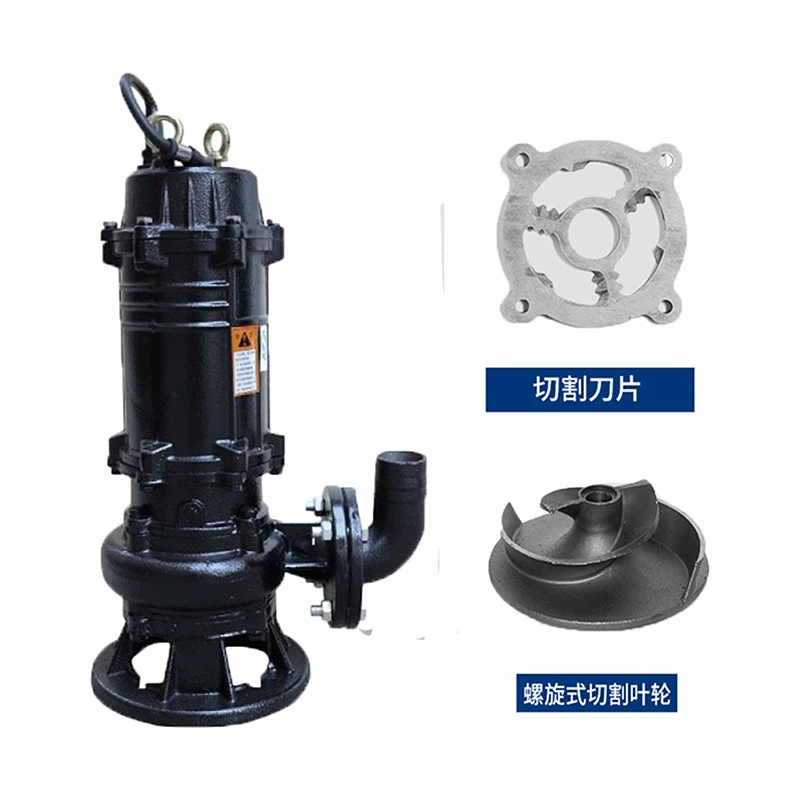
The impeller is the heart of the pump, and its design can have a big impact on cavitation. A well - designed impeller can create a smooth flow of fluid through the pump, reducing the formation of vapor bubbles.
Our Cutting - type Submersible Sewage Pump features a specially designed impeller that can handle solids and fibrous materials without clogging. This impeller design also helps to maintain a stable flow and pressure, minimizing the risk of cavitation.
6. Fluid Properties
The properties of the fluid you're pumping can also affect cavitation. For example, if the fluid has a high viscosity, it can be more difficult for the pump to move it, leading to higher pressures and potentially more cavitation.
You might need to adjust the operating conditions or the pump design to account for the fluid's properties. In some cases, you could also use additives to change the fluid's properties and reduce the risk of cavitation.
7. Pressure Relief Valves
Installing pressure relief valves can be a great way to prevent cavitation. These valves open when the pressure in the pump exceeds a certain limit, allowing excess fluid to escape and reducing the pressure.
This helps to keep the pressure within a safe range and prevents the formation of vapor bubbles. Make sure to choose a pressure relief valve that's rated for the maximum pressure and flow rate of your pump.
8. Regular Maintenance
Last but not least, regular maintenance is key. Over time, the pump components can wear out, which can affect the pump's performance and increase the risk of cavitation.
Check the impeller, seals, and other parts for signs of wear and tear. Replace any damaged parts as soon as possible. Also, clean the pump and the suction pipe regularly to remove any debris that could cause blockages.
We also offer the Non - blocking Submersible Sewage Pump, which is designed for easy maintenance. Its non - blocking design means less downtime for cleaning and repairs, keeping your pump running smoothly and reducing the risk of cavitation.
Conclusion
Cavitation can be a major headache for dredge pump users, but with the right anti - cavitation measures, you can keep your pump running efficiently and avoid costly repairs. Whether it's proper pump selection, inlet design, or regular maintenance, every step counts.
If you're in the market for a dredge pump or need advice on anti - cavitation measures, don't hesitate to reach out. We're here to help you find the best solution for your needs.
References
- Perry, R. H., & Green, D. W. (1997). Perry's Chemical Engineers' Handbook. McGraw - Hill.
- Stepanoff, A. J. (1957). Centrifugal and Axial Flow Pumps: Theory, Design, and Application. Wiley.