

Hey there! As a supplier of sewage treatment equipment, I often get asked about the performance indicators of this kind of gear. Well, let's dive right in and explore what makes sewage treatment equipment top - notch.
1. Treatment Efficiency
Treatment efficiency is like the heart and soul of sewage treatment equipment. It basically tells you how well the equipment can remove pollutants from the sewage. We're talking about things like chemical oxygen demand (COD), biochemical oxygen demand (BOD), suspended solids (SS), and nitrogen and phosphorus compounds.
COD measures the amount of oxygen needed to chemically oxidize the organic matter in the sewage. A high - quality sewage treatment equipment should be able to significantly reduce the COD levels. For instance, if the incoming sewage has a COD of 500 mg/L, a good system might bring it down to below 50 mg/L. That's a huge reduction, and it shows that the equipment is doing its job effectively.
BOD, on the other hand, measures the amount of oxygen that microorganisms need to break down the organic matter in the sewage. Just like with COD, the lower the BOD after treatment, the better. A well - performing sewage treatment system can turn sewage with a high BOD into water that has a BOD within the acceptable environmental standards.
Suspended solids are those little particles floating around in the sewage. These can be things like dirt, sand, and bits of organic matter. Removing SS is crucial because high levels of suspended solids can cause problems in water bodies, like clogging pipes and reducing water clarity. Our Wastewater Equipment is designed to efficiently remove these solids, ensuring that the treated water is clean and clear.
Nitrogen and phosphorus are nutrients that can cause eutrophication in water bodies if they're present in high amounts. Eutrophication leads to excessive growth of algae, which can deplete oxygen in the water and harm aquatic life. Good sewage treatment equipment should be able to remove a significant portion of nitrogen and phosphorus from the sewage.
2. Reliability
Reliability is super important when it comes to sewage treatment equipment. You don't want your equipment breaking down in the middle of the treatment process. That could lead to all sorts of problems, like untreated sewage being released into the environment.
A reliable sewage treatment system should have a long service life. It should be able to run continuously for long periods without major breakdowns. The components of the equipment, such as pumps, motors, and filters, should be of high quality and able to withstand the harsh conditions of sewage treatment.
Regular maintenance is also key to ensuring reliability. But even with maintenance, the equipment should be designed in such a way that it's easy to access and repair. For example, our MBBR System for Wastewater Treatment is built with durability in mind. The modular design allows for easy replacement of parts if needed, minimizing downtime and ensuring continuous operation.
3. Energy Consumption
Energy consumption is a big deal, not just for the environment but also for your wallet. High - energy - consuming sewage treatment equipment can lead to sky - high electricity bills. So, it's important to look for equipment that is energy - efficient.
There are several ways to reduce energy consumption in sewage treatment. One is by using advanced aeration systems. Aeration is the process of adding oxygen to the sewage to help the microorganisms break down the organic matter. Traditional aeration systems can be quite energy - intensive, but newer technologies, like fine - bubble aeration, use less energy while still providing enough oxygen for the treatment process.
Another way is to optimize the flow rate of the sewage through the equipment. By carefully controlling the flow, you can ensure that the equipment is operating at its most efficient level. Our Non - electric Sewage Purification Tank is a great example of energy - efficient equipment. It uses natural processes to purify sewage, eliminating the need for electricity in many cases.
4. Sludge Production
Sludge is the solid residue that's left over after the sewage treatment process. Producing a large amount of sludge can be a problem because it needs to be disposed of properly, which can be costly and time - consuming.

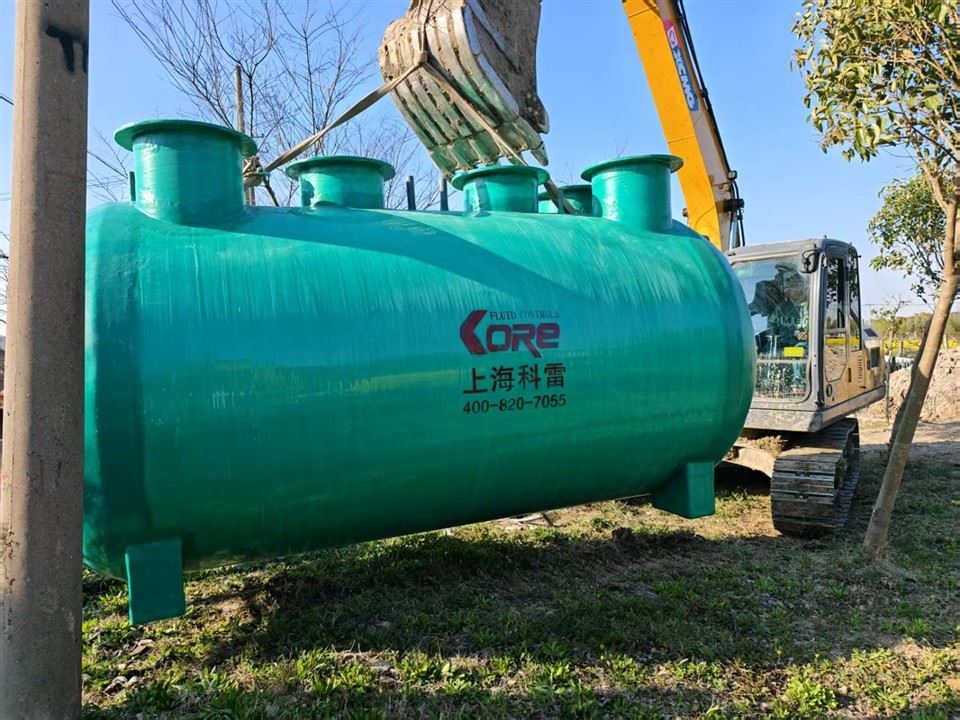
Good sewage treatment equipment should be designed to minimize sludge production. This can be achieved through processes like anaerobic digestion, where microorganisms break down the organic matter in the sludge without the presence of oxygen. Anaerobic digestion not only reduces the volume of sludge but also produces biogas, which can be used as an energy source.
In addition, some equipment uses advanced filtration and separation techniques to remove as much water as possible from the sludge, making it easier and cheaper to dispose of. Our sewage treatment systems are engineered to keep sludge production to a minimum, saving you both time and money in the long run.
5. Ease of Operation
Let's face it, not everyone is a sewage treatment expert. So, the equipment should be easy to operate. It should come with clear instructions and user - friendly controls.
A good sewage treatment system should have an automated control system that can monitor and adjust the treatment process in real - time. This means that operators don't have to constantly be on - site to make manual adjustments. The system can detect changes in the sewage quality and adjust things like the flow rate, aeration, and chemical dosing accordingly.
Training should also be provided to the operators to ensure that they know how to use the equipment properly. At our company, we offer comprehensive training programs to help our customers get the most out of our sewage treatment equipment.
6. Cost - effectiveness
Cost - effectiveness is a major consideration for anyone looking to invest in sewage treatment equipment. It's not just about the initial purchase price but also the long - term operating costs.
When evaluating the cost - effectiveness of sewage treatment equipment, you need to look at factors like energy consumption, maintenance costs, and sludge disposal costs. A piece of equipment that has a low purchase price but high operating costs may end up being more expensive in the long run.
Our company offers a range of sewage treatment equipment that is designed to be cost - effective. We take into account all the factors mentioned above to ensure that our customers get the best value for their money.
Let's Talk Business
If you're in the market for sewage treatment equipment, I'd love to have a chat with you. Whether you're running a small - scale business or a large industrial facility, we have the right solution for you. Our equipment is designed to meet the highest performance standards, and we're committed to providing excellent customer service. So, don't hesitate to reach out and start a conversation about your sewage treatment needs.
References
- Environmental Protection Agency. (2023). Sewage Treatment Best Practices.
- Water Environment Federation. (2022). Guidelines for Evaluating Sewage Treatment Equipment.