

Hey there! I'm a supplier of Stirring Sewage Pumps, and today I wanna chat about the energy efficiency class of these nifty pumps.
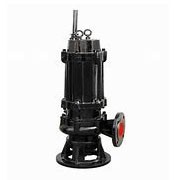
First off, let's understand what a Stirring Sewage Pump is. A Stirring Sewage Pump, as the name suggests, is designed to handle sewage and wastewater. It has a stirring device that helps break up solids in the sewage, making it easier to pump. You can check out more about Stirring Sewage Pumps here.
Now, energy efficiency is a big deal these days. With rising energy costs and a growing concern for the environment, everyone wants pumps that use less energy while still getting the job done. The energy efficiency class of a Stirring Sewage Pump is a measure of how well it converts electrical energy into useful work, like moving sewage from one place to another.
There are different energy efficiency classes out there, usually labeled from A to G, with A being the most energy - efficient and G being the least. A pump in class A will consume significantly less electricity compared to a class G pump over the same period of operation. This means lower energy bills for you in the long run.
But how do these classes work? Well, they're determined by a set of standardized tests. These tests measure the power input (how much electricity the pump uses) and the hydraulic output (how much sewage it can move and at what pressure). Based on these measurements, the pump is assigned an energy efficiency class.
Let's take a look at some of the factors that affect the energy efficiency class of a Stirring Sewage Pump.
Pump Design
The design of the pump plays a huge role. A well - designed impeller, for example, can make the pump more efficient. The shape and size of the impeller blades are carefully engineered to maximize the transfer of energy from the motor to the sewage. If the impeller is poorly designed, the pump will have to work harder, using more energy to achieve the same result.
Motor Efficiency
The motor is the heart of the pump. A high - efficiency motor will convert a larger percentage of the electrical energy it receives into mechanical energy, which is then used to move the sewage. Modern motors often use advanced technologies like variable frequency drives (VFDs). VFDs allow the motor to adjust its speed according to the actual demand. So, if the sewage flow is low, the motor can slow down, saving energy.
System Resistance
The resistance in the sewage system also affects the pump's energy efficiency. If the pipes are too narrow, or there are too many bends and fittings, the pump will have to work harder to push the sewage through. This means more energy consumption. It's important to design the sewage system properly to minimize resistance.
Now, let's compare Stirring Sewage Pumps with some other types of sewage pumps.
The Non - blocking Submersible Sewage Pump is another popular option. It's designed to prevent blockages, which is great for handling sewage with large solids. However, in terms of energy efficiency, a well - designed Stirring Sewage Pump can be more efficient. The stirring function helps break up solids, reducing the load on the pump and thus saving energy.
The Cutting - type Submersible Sewage Pump is also used for sewage handling. It has a cutting mechanism to chop up solids. While it's effective at dealing with tough solids, it can sometimes be less energy - efficient than a Stirring Sewage Pump. The cutting action requires additional energy, and if the solids are not too large, a Stirring Sewage Pump can do the job with less power consumption.

So, why should you choose a high - energy - efficiency Stirring Sewage Pump?
Cost Savings
As I mentioned earlier, a high - efficiency pump will save you money on energy bills. Over the lifetime of the pump, these savings can add up to a significant amount.
Environmental Benefits
Using less energy means reducing your carbon footprint. By choosing an energy - efficient Stirring Sewage Pump, you're doing your part for the environment.
Reliability
High - efficiency pumps are often better designed and built. They tend to have fewer breakdowns and require less maintenance, which means less downtime and more productivity.
If you're in the market for a Stirring Sewage Pump, it's important to look for pumps with a high energy efficiency class. When you're comparing different pumps, check the energy label. This will give you a clear idea of how efficient the pump is.
Also, don't forget to consider the total cost of ownership. While a more energy - efficient pump may have a higher upfront cost, the long - term savings on energy and maintenance can make it a more cost - effective choice.
In conclusion, the energy efficiency class of a Stirring Sewage Pump is a crucial factor to consider. It can save you money, help the environment, and give you a more reliable pumping solution. If you're interested in learning more about our Stirring Sewage Pumps or want to discuss your specific needs, feel free to reach out. We're here to help you find the perfect pump for your sewage handling requirements.
References
- "Pump Handbook" by Igor J. Karassik et al.
- Industry standards for pump energy efficiency testing.