

The pipe diameter plays a crucial role in determining the performance of a dry sewage pump. As a supplier of Dry Sewage Pumps, I have witnessed firsthand how the choice of pipe diameter can significantly impact the efficiency, reliability, and overall functionality of these pumps. In this blog post, I will delve into the various aspects of how pipe diameter influences the performance of a dry sewage pump and why it is essential to make an informed decision when selecting the appropriate pipe size.
Flow Rate and Velocity
One of the primary factors affected by the pipe diameter is the flow rate and velocity of the sewage through the pump and the piping system. According to the principles of fluid mechanics, the flow rate (Q) of a fluid through a pipe is related to the cross - sectional area (A) of the pipe and the fluid velocity (v) by the equation Q = A×v. The cross - sectional area of a pipe is calculated using the formula A = π×(d/2)^2, where d is the pipe diameter.
A larger pipe diameter results in a larger cross - sectional area. For a given flow rate, a larger pipe will have a lower fluid velocity. This is beneficial in a sewage pumping system because high velocities can cause several problems. High - velocity sewage flow can lead to increased frictional losses within the pipe. Frictional losses are proportional to the square of the velocity, so even a small increase in velocity can result in a significant increase in energy consumption.
For example, if we compare a 4 - inch diameter pipe and a 6 - inch diameter pipe for the same sewage flow rate, the 6 - inch pipe will have a lower velocity. This lower velocity reduces the frictional forces acting on the sewage as it moves through the pipe, which in turn reduces the energy required to pump the sewage. As a result, the pump can operate more efficiently, saving on energy costs over the long term.
On the other hand, a smaller pipe diameter will increase the fluid velocity for a given flow rate. While this may seem like it could increase the flow rate, in reality, it can cause problems such as pipe erosion, noise, and vibration. High - velocity sewage can erode the inner walls of the pipe over time, leading to leaks and reduced pipe lifespan. The noise and vibration generated by high - velocity flow can also be a nuisance and may even cause damage to the pump and other components of the system.
Head Loss
Head loss is another critical aspect of pump performance that is affected by the pipe diameter. Head loss refers to the reduction in pressure or energy of the fluid as it flows through the pipe due to friction, fittings, and other factors. The Darcy - Weisbach equation is commonly used to calculate the head loss (hL) in a pipe:
hL = f×(L/D)×(v^2/2g)
where f is the friction factor, L is the length of the pipe, D is the pipe diameter, v is the fluid velocity, and g is the acceleration due to gravity.
As we can see from the equation, the head loss is inversely proportional to the pipe diameter. A larger pipe diameter will result in a lower head loss for a given flow rate and pipe length. This is because the frictional forces acting on the fluid are spread over a larger area, reducing the overall resistance to flow.
When the head loss is high, the pump has to work harder to overcome this resistance and maintain the desired flow rate. This increases the power consumption of the pump and can also lead to premature wear and tear on the pump components. By choosing a larger pipe diameter, we can reduce the head loss, allowing the pump to operate more efficiently and with less stress on its components.
Pump Cavitation
Cavitation is a phenomenon that can occur in a pump when the pressure of the fluid falls below its vapor pressure. This causes the formation of vapor bubbles in the fluid, which then collapse when they enter a region of higher pressure. The collapse of these bubbles can cause damage to the pump impeller and other internal components, leading to reduced pump efficiency and a shorter pump lifespan.
The pipe diameter can influence the likelihood of cavitation occurring in a dry sewage pump. A smaller pipe diameter can cause a significant pressure drop in the suction line of the pump. If the pressure drop is large enough, it can cause the fluid pressure to fall below its vapor pressure, resulting in cavitation.
In contrast, a larger pipe diameter reduces the pressure drop in the suction line. This helps to maintain a higher pressure at the pump inlet, reducing the risk of cavitation. By preventing cavitation, we can ensure the long - term reliability and performance of the dry sewage pump.
System Compatibility
When selecting the pipe diameter for a dry sewage pump, it is also essential to consider the overall compatibility of the piping system with the pump. The pump is designed to operate within a specific range of flow rates and pressures. If the pipe diameter is too small, the pump may not be able to achieve the desired flow rate, and it may operate at a higher pressure than intended. This can lead to overloading of the pump motor and reduced pump efficiency.
Conversely, if the pipe diameter is too large, the pump may not be able to generate enough pressure to move the sewage through the system effectively. This can result in poor flow performance and may even cause the sewage to accumulate in the pipes.
As a supplier of Dry Sewage Pumps, we offer a range of pumps with different flow rate and pressure capabilities. Our technical team can assist customers in selecting the appropriate pipe diameter based on the specific requirements of their sewage pumping system. We take into account factors such as the distance the sewage needs to be pumped, the elevation changes, and the expected flow rate to ensure that the pump and piping system work together seamlessly.
Impact on Different Types of Sewage Pumps
The influence of pipe diameter is not limited to dry sewage pumps alone. Other types of sewage pumps, such as Stirring Sewage Pumps and Self - priming Sewage Pumps, are also affected by the choice of pipe diameter.
Stirring sewage pumps are designed to agitate the sewage before pumping to prevent solids from settling. A proper pipe diameter is crucial for these pumps to ensure that the stirred sewage can flow smoothly through the system. A small pipe diameter can cause blockages, especially if the sewage contains large solids. A larger pipe diameter allows for a more unobstructed flow of the stirred sewage, reducing the risk of blockages and improving the overall performance of the pump.
Self - priming sewage pumps are capable of evacuating air from the suction line and starting the pumping process without the need for external priming. The pipe diameter can affect the self - priming ability of these pumps. A small pipe diameter can increase the resistance to air flow during the priming process, making it more difficult for the pump to prime. A larger pipe diameter reduces this resistance, allowing the pump to prime more quickly and reliably.
Conclusion
In conclusion, the pipe diameter has a profound influence on the performance of a dry sewage pump. It affects the flow rate, velocity, head loss, cavitation risk, and overall system compatibility. By choosing the appropriate pipe diameter, we can improve the efficiency, reliability, and lifespan of the pump, as well as reduce energy consumption and maintenance costs.
As a supplier of dry sewage pumps, we understand the importance of selecting the right pipe diameter for each application. Our team of experts is available to provide guidance and support to our customers in choosing the most suitable pipe diameter for their sewage pumping systems. Whether you are a small - scale residential user or a large - scale industrial customer, we can help you optimize your sewage pumping system for maximum performance.

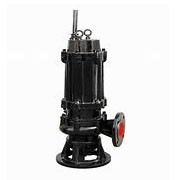
If you are interested in purchasing a dry sewage pump or need more information about the influence of pipe diameter on pump performance, please feel free to contact us. We look forward to discussing your specific requirements and providing you with the best solutions for your sewage pumping needs.
References
- Crane, D. S. (1988). Flow of Fluids Through Valves, Fittings, and Pipe. Technical Paper No. 410. Crane Co.
- Idelchik, I. E. (2007). Handbook of Hydraulic Resistance. Begell House Inc.
- Pump Handbook, 4th Edition. Karassik, I. J., Messina, J. P., Cooper, P. T., & Heald, C. C. (Eds.). McGraw - Hill.