

Hey there! I'm a supplier of Dry Sewage Pumps, and today I wanna chat about the lubrication method for these pumps. It's super important to keep your dry sewage pump well - lubricated to ensure it runs smoothly and lasts a long time.
First off, let's understand why lubrication is so crucial for a dry sewage pump. A dry sewage pump works in a pretty tough environment. It has to deal with all sorts of dirty and often abrasive sewage materials. Without proper lubrication, the moving parts of the pump can wear out quickly. Friction between these parts can lead to overheating, which might cause the pump to break down. And trust me, a broken pump is a huge headache, both in terms of repair costs and the disruption it causes to your sewage system.
Now, there are a few different lubrication methods that can be used for dry sewage pumps.
Grease Lubrication
One of the most common methods is grease lubrication. Grease is a thick, semi - solid lubricant that's easy to apply. It sticks well to the surfaces it's applied to, which means it can stay in place and keep protecting the pump's parts for a relatively long time.
When using grease lubrication for a dry sewage pump, you need to make sure you're using the right type of grease. The grease should be able to withstand high temperatures and resist water and contaminants. There are special greases designed for industrial applications like sewage pumps. These greases often have additives that can prevent corrosion and reduce friction.
To apply the grease, you usually use a grease gun. You'll need to locate the grease fittings on the pump. These are small ports where you can inject the grease. Make sure to follow the manufacturer's instructions on how much grease to use. Over - greasing can be just as bad as under - greasing. Too much grease can cause the pump to overheat because it creates more resistance to the moving parts.
Oil Lubrication
Another option is oil lubrication. Oil is a liquid lubricant, and it has some advantages over grease. It can flow more easily, which means it can reach all the nooks and crannies of the pump's internal parts. This helps to provide more comprehensive lubrication.
There are different types of oils you can use for a dry sewage pump. Mineral oils are a common choice. They're relatively inexpensive and can provide good lubrication in normal operating conditions. Synthetic oils, on the other hand, are more expensive but offer better performance. They can withstand higher temperatures and have better resistance to oxidation and contamination.
When using oil lubrication, you'll need an oil reservoir. The oil is stored in this reservoir and is circulated through the pump's parts using a pump or a gravity - fed system. You also need to have an oil filter to remove any contaminants from the oil. Regular oil changes are essential to keep the lubrication system working effectively.
Automatic Lubrication Systems
For larger or more complex dry sewage pump setups, an automatic lubrication system can be a great option. These systems can deliver the right amount of lubricant at the right time, without the need for manual intervention.

An automatic lubrication system usually consists of a lubricant reservoir, a pump, a control unit, and a network of pipes and fittings. The control unit can be programmed to dispense the lubricant at specific intervals or based on certain operating conditions.
This type of system offers several benefits. It reduces the risk of human error in lubrication. Since it's automated, it ensures that the pump is always getting the right amount of lubricant, which can extend the pump's lifespan and improve its performance.
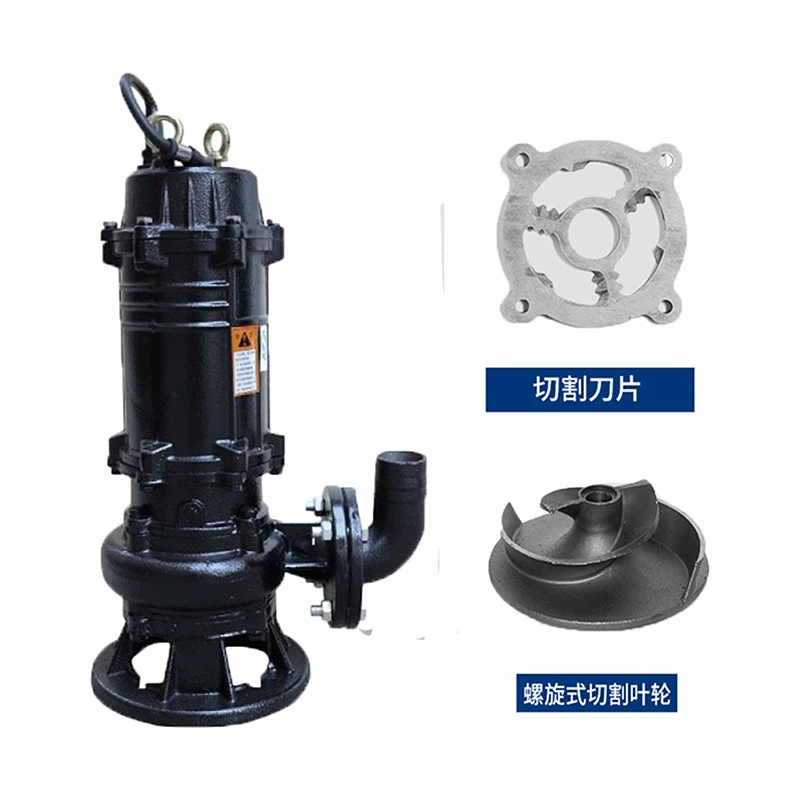
Now, if you're in the market for a dry sewage pump, we've got some great options. Check out our Dry Sewage Pump on our website. We also have other types of pumps like the Non - blocking Submersible Sewage Pump and the Cutting - type Submersible Sewage Pump.
If you're interested in learning more about our pumps or have any questions about lubrication or other aspects of pump operation, don't hesitate to reach out. We're here to help you find the best solution for your sewage pumping needs. Whether you're a small business or a large industrial operation, we've got the expertise and the products to meet your requirements.
In conclusion, proper lubrication is key to the performance and longevity of a dry sewage pump. Whether you choose grease, oil, or an automatic lubrication system, make sure you understand the requirements of your pump and follow the best practices. If you have any further questions or need more detailed information, feel free to contact us. We're always happy to assist you in making the right decisions for your sewage pumping setup.
References
- "Industrial Pump Handbook" by P. K. Swamee
- "Pump Technology and Applications" by Heinz P. Bloch