

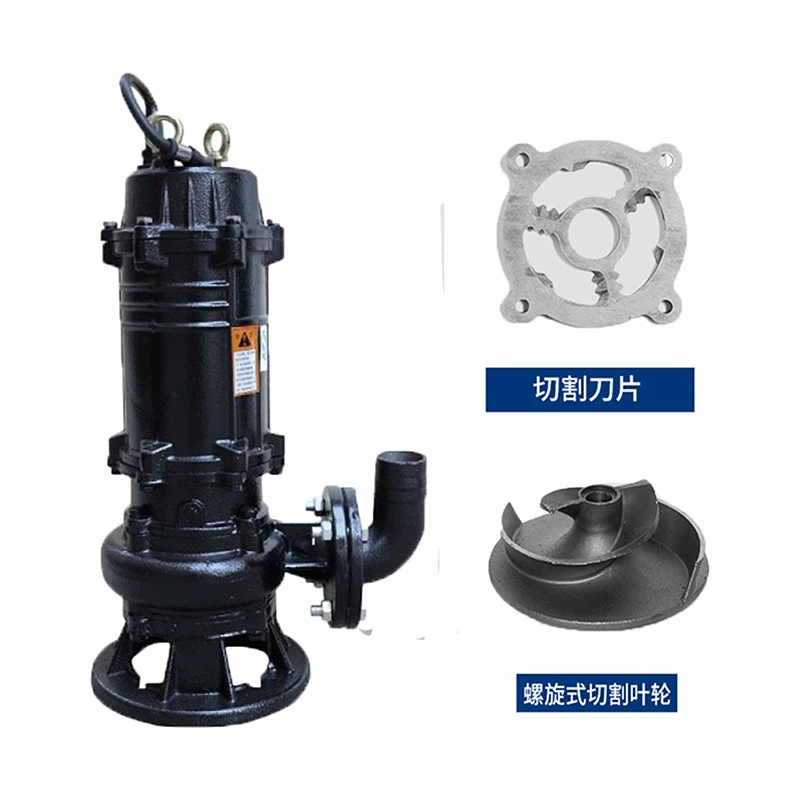
As a supplier of Stirring Sewage Pumps, I understand the significance of proper maintenance to ensure these pumps operate efficiently and have a long service life. Stirring sewage pumps are essential in various applications, including wastewater treatment plants, industrial facilities, and municipal drainage systems. They are designed to handle sewage, sludge, and other abrasive and corrosive fluids. In this blog, I will discuss the maintenance work required for a Stirring Sewage Pump.
Regular Inspection
Regular inspection is the first step in maintaining a Stirring Sewage Pump. This should be done at least once a month, or more frequently if the pump is used in a harsh environment. The inspection should cover the following aspects:

- Visual Inspection: Check the pump for any signs of physical damage, such as cracks, leaks, or corrosion. Inspect the motor, cables, and connectors for any signs of wear or damage. Make sure all the bolts and nuts are tightened properly.
- Impeller Inspection: The impeller is a critical component of the pump. Check it for any signs of wear, damage, or clogging. If the impeller is damaged or worn, it can reduce the pump's efficiency and cause it to fail prematurely.
- Seal Inspection: The seals prevent the leakage of fluid from the pump. Check the seals for any signs of wear or damage. If the seals are leaking, they should be replaced immediately to prevent further damage to the pump.
- Motor Inspection: The motor is the power source of the pump. Check the motor for any signs of overheating, vibration, or abnormal noise. Make sure the motor is properly lubricated and the cooling system is working effectively.
Cleaning
Cleaning is an important part of pump maintenance. Over time, debris, sediment, and other contaminants can accumulate inside the pump, reducing its efficiency and causing damage. Here's how to clean a Stirring Sewage Pump:
- External Cleaning: Use a soft brush and a mild detergent to clean the exterior of the pump. This will remove any dirt, grease, or other contaminants that may have accumulated on the surface.
- Internal Cleaning: If the pump has been used to handle dirty or abrasive fluids, it may be necessary to clean the interior of the pump. This can be done by flushing the pump with clean water or a cleaning solution. Make sure to follow the manufacturer's instructions when using a cleaning solution.
- Impeller Cleaning: The impeller can become clogged with debris, which can reduce the pump's efficiency. To clean the impeller, remove it from the pump and use a brush to remove any debris or buildup.
Lubrication
Proper lubrication is essential for the smooth operation of a Stirring Sewage Pump. The bearings and other moving parts of the pump need to be lubricated regularly to reduce friction and wear. Here are some tips for lubricating a Stirring Sewage Pump:
- Use the Right Lubricant: Make sure to use the lubricant recommended by the pump manufacturer. Different pumps may require different types of lubricants, so it's important to use the right one.
- Follow the Lubrication Schedule: The pump manufacturer will provide a lubrication schedule for the pump. Make sure to follow this schedule and lubricate the pump at the recommended intervals.
- Lubricate the Bearings: The bearings are the most critical parts of the pump that need to be lubricated. Use a grease gun to apply the lubricant to the bearings. Make sure to apply the lubricant evenly and avoid over-lubrication.
Alignment
Proper alignment is crucial for the efficient operation of a Stirring Sewage Pump. Misalignment can cause excessive vibration, noise, and wear on the pump's components. Here's how to ensure proper alignment:
- Check the Alignment Regularly: Use a laser alignment tool or a dial indicator to check the alignment of the pump and the motor. Make sure the pump and the motor are aligned within the manufacturer's specifications.
- Adjust the Alignment if Necessary: If the alignment is out of specification, adjust the position of the pump or the motor to correct it. This may require the use of shims or other adjustment tools.
Electrical System Maintenance
The electrical system of a Stirring Sewage Pump is also an important part of its maintenance. Here are some tips for maintaining the electrical system:
- Check the Electrical Connections: Make sure all the electrical connections are tight and free of corrosion. Loose or corroded connections can cause electrical problems and reduce the pump's efficiency.
- Inspect the Cables: Check the cables for any signs of wear or damage. If the cables are damaged, they should be replaced immediately to prevent electrical hazards.
- Test the Motor: Use a multimeter to test the motor's electrical properties, such as voltage, current, and resistance. Make sure the motor is operating within the manufacturer's specifications.
Troubleshooting
Even with proper maintenance, Stirring Sewage Pumps may experience problems from time to time. Here are some common problems and their solutions:

- Low Flow or Pressure: This may be caused by a clogged impeller, a worn pump casing, or a problem with the suction line. Check the impeller and the suction line for any blockages and replace the pump casing if necessary.
- Excessive Vibration or Noise: This may be caused by misalignment, worn bearings, or a damaged impeller. Check the alignment of the pump and the motor, replace the bearings if necessary, and inspect the impeller for any damage.
- Leaking Seals: This may be caused by worn seals or improper installation. Replace the seals and make sure they are installed correctly.
Conclusion
Proper maintenance is essential for the efficient operation and long service life of a Stirring Sewage Pump. By following the maintenance procedures outlined in this blog, you can ensure that your pump operates at its best and avoid costly repairs and downtime.
If you are interested in purchasing a Stirring Sewage Pump or need more information about our products, please visit our website at Stirring Sewage Pump. We also offer other types of pumps, such as Cutting-type Submersible Sewage Pump and Dry Sewage Pump. Feel free to contact us for more details and to start a procurement negotiation.

References
- Manufacturer's manuals for Stirring Sewage Pumps
- Industry standards for pump maintenance and operation