

Hey there! As a supplier of Self-priming Sewage Pumps, I've gotten a bunch of questions from folks about how to adjust the speed of these pumps. So, I thought I'd put together this blog post to share some tips and tricks.
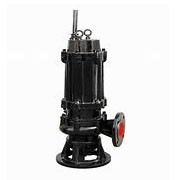

First off, let's talk about why you might want to adjust the speed of a self-priming sewage pump. There are a few reasons. Maybe you're dealing with different types of sewage or wastewater. Thicker or more viscous sewage might need a slower pump speed to handle it properly. Or, perhaps you're working in an area with limited power supply, and you need to slow down the pump to save energy. On the flip side, if you've got a really large volume of sewage to move quickly, you might want to speed up the pump.
Understanding the Basics of Self-priming Sewage Pumps
Before we dig into how to adjust the speed, it's important to understand a bit about how these pumps work. Self-priming sewage pumps are designed to be able to prime themselves, which means they can remove air from the suction line and start pumping without the need for external priming devices. They're great for handling all sorts of sewage, including solids and semi-solids.
These pumps usually have an impeller, which is like a spinning wheel with blades. As the impeller spins, it creates a centrifugal force that draws in the sewage and pushes it out through the discharge pipe. The speed of the impeller directly affects the flow rate and pressure of the pump.
Methods to Adjust the Speed
1. Using a Variable Frequency Drive (VFD)
One of the most common and effective ways to adjust the speed of a self-priming sewage pump is by using a Variable Frequency Drive. A VFD is a device that controls the speed of an electric motor by changing the frequency of the electrical power supplied to it.
Here's how it works. Most electric motors are designed to run at a fixed frequency, usually 50 or 60 Hz. When you use a VFD, you can change this frequency. If you lower the frequency, the motor will run slower, and the pump will also slow down. If you increase the frequency, the motor and pump will speed up.
The great thing about VFDs is that they offer precise control over the pump speed. You can set it to exactly the speed you need for your specific application. They also help save energy because you're only using as much power as necessary. However, VFDs can be a bit expensive, and you'll need to have some technical knowledge to install and operate them properly.
2. Changing the Pulley Size
Another way to adjust the speed of the pump is by changing the pulley size. Pulleys are used to transfer power from the motor to the pump. The ratio between the size of the motor pulley and the pump pulley determines the speed of the pump.
If you want to slow down the pump, you can increase the size of the pump pulley or decrease the size of the motor pulley. This will reduce the speed at which the impeller spins. On the other hand, if you want to speed up the pump, you can decrease the size of the pump pulley or increase the size of the motor pulley.
Changing the pulley size is a relatively simple and inexpensive method. But it doesn't offer as precise control as a VFD. You'll need to have a good understanding of pulley ratios to make the right adjustments.
3. Adjusting the Motor Voltage
In some cases, you can also adjust the speed of the pump by changing the motor voltage. However, this method is a bit more tricky and not as commonly used.
Most motors are designed to run at a specific voltage. If you lower the voltage, the motor will run slower, but it might also overheat if the load on the motor is too high. If you increase the voltage, the motor will speed up, but it could also damage the motor if it's not designed to handle the higher voltage.
So, if you're going to try adjusting the motor voltage, make sure you know what you're doing and that you have the right equipment to measure and control the voltage.
Factors to Consider When Adjusting the Speed
1. Pump Capacity
Before you start adjusting the speed, you need to know the maximum and minimum flow rates and pressures that your pump can handle. If you set the speed too low, the pump might not be able to move the sewage effectively, and solids could start to build up in the pump or the pipes. If you set the speed too high, you could damage the pump or cause excessive wear and tear.
2. Sewage Characteristics
The type of sewage you're dealing with also matters. As I mentioned earlier, thicker or more viscous sewage might require a slower pump speed. If the sewage contains a lot of large solids, you might need to adjust the speed to prevent clogging.
3. Power Supply
Make sure you have a stable power supply when adjusting the pump speed. If the power supply is unstable, it could cause the pump to operate erratically or even damage the motor.
Other Related Pumps
If you're in the market for a sewage pump, you might also be interested in our Stirring Sewage Pump and Cutting-type Submersible Sewage Pump. The Stirring Sewage Pump is great for mixing and agitating the sewage before it's pumped, which can help prevent solids from settling. The Cutting-type Submersible Sewage Pump is designed to cut through large solids, making it ideal for handling tough sewage.
Conclusion
Adjusting the speed of a self-priming sewage pump can be a bit of a challenge, but with the right knowledge and tools, it's definitely doable. Whether you choose to use a VFD, change the pulley size, or adjust the motor voltage, make sure you consider the pump capacity, sewage characteristics, and power supply.
If you're looking for a reliable Self-priming Sewage Pump or need more advice on adjusting the speed, feel free to reach out. We're here to help you find the best solution for your sewage pumping needs. You can check out our Self-priming Sewage Pump on our website for more details.
References
- Pump Handbook, by Igor Karassik et al.
- Electric Motor Handbook, by Arnold E. Fitzgerald et al.