

As a supplier of the I - 1B Screw Pump, I understand the importance of ensuring that your pump is operating at its best. One crucial aspect of pump maintenance is regularly checking the balance of the I - 1B Screw Pump. In this blog post, I will guide you through the process of how to check the balance of an I - 1B Screw Pump.
Why Checking the Balance of I - 1B Screw Pump is Important
Before we delve into the checking process, let's first understand why it is so important to check the balance of the I - 1B Screw Pump. A well - balanced pump operates more efficiently. When a pump is out of balance, it can lead to increased vibration. Excessive vibration can cause premature wear and tear on the pump components, such as bearings, seals, and the screw itself. This not only shortens the lifespan of the pump but also increases the risk of breakdowns and costly repairs. Moreover, an imbalanced pump may consume more energy, leading to higher operating costs.
Pre - check Preparations
Before you start checking the balance of the I - 1B Screw Pump, you need to make some preparations. First, ensure that the pump is turned off and disconnected from the power source. This is a safety measure to prevent any accidental start - up during the checking process. Next, gather the necessary tools. You will need a vibration analyzer, a dial indicator, and a set of wrenches for removing any covers or access panels.
Visual Inspection
The first step in checking the balance of the I - 1B Screw Pump is a visual inspection. Carefully examine the exterior of the pump for any signs of damage, such as cracks, dents, or loose parts. Check the alignment of the pump with the motor or other connected equipment. Misalignment can also cause vibration and affect the balance of the pump. Look at the screw inside the pump. If there are any signs of corrosion, abrasion, or foreign objects stuck on the screw, it can disrupt the balance.
Using a Vibration Analyzer
A vibration analyzer is a powerful tool for checking the balance of the I - 1B Screw Pump. Mount the vibration sensors of the analyzer on different parts of the pump, such as the bearing housings, the pump casing, and the motor. Start the pump and let it run at its normal operating speed. The vibration analyzer will measure the vibration levels and frequencies at each location.
Compare the measured vibration values with the manufacturer's recommended vibration limits. If the vibration levels exceed the limits, it indicates that the pump may be out of balance. The vibration analyzer can also provide information about the frequency components of the vibration. Different frequencies may indicate different types of problems. For example, a high - frequency vibration may be caused by a misaligned coupling, while a low - frequency vibration may be related to an imbalance in the rotating parts.
Dial Indicator Measurement
In addition to using a vibration analyzer, you can also use a dial indicator to check the balance of the I - 1B Screw Pump. Mount the dial indicator on a stable surface near the rotating shaft of the pump. The dial indicator should be positioned so that its probe can measure the radial movement of the shaft.
Slowly rotate the shaft by hand and observe the readings on the dial indicator. The reading should remain relatively stable throughout the rotation. If there are significant fluctuations in the reading, it means that the shaft is not rotating smoothly, which may be due to an imbalance. Measure the radial runout at different points along the shaft to get a comprehensive understanding of the balance condition.

Correcting the Imbalance
If the I - 1B Screw Pump is found to be out of balance, you need to take steps to correct the imbalance. One common method is to add or remove counterweights. Based on the results of the vibration analysis and the dial indicator measurement, determine the location and amount of the counterweights needed. Use the appropriate wrenches to attach or remove the counterweights on the rotating parts of the pump.
After making the adjustments, repeat the vibration analysis and the dial indicator measurement to ensure that the balance has been improved. Keep making small adjustments until the vibration levels are within the acceptable range.
Regular Maintenance and Monitoring
Checking the balance of the I - 1B Screw Pump is not a one - time task. It should be part of a regular maintenance schedule. Set up a routine to check the balance of the pump at regular intervals, such as every few months or according to the manufacturer's recommendations. Regular monitoring can help you detect any potential balance problems early and take preventive measures.
In addition to balance checks, also perform other maintenance tasks, such as lubricating the bearings, inspecting the seals, and cleaning the pump. A well - maintained pump is more likely to operate in a balanced and efficient manner.
Related Pump Products
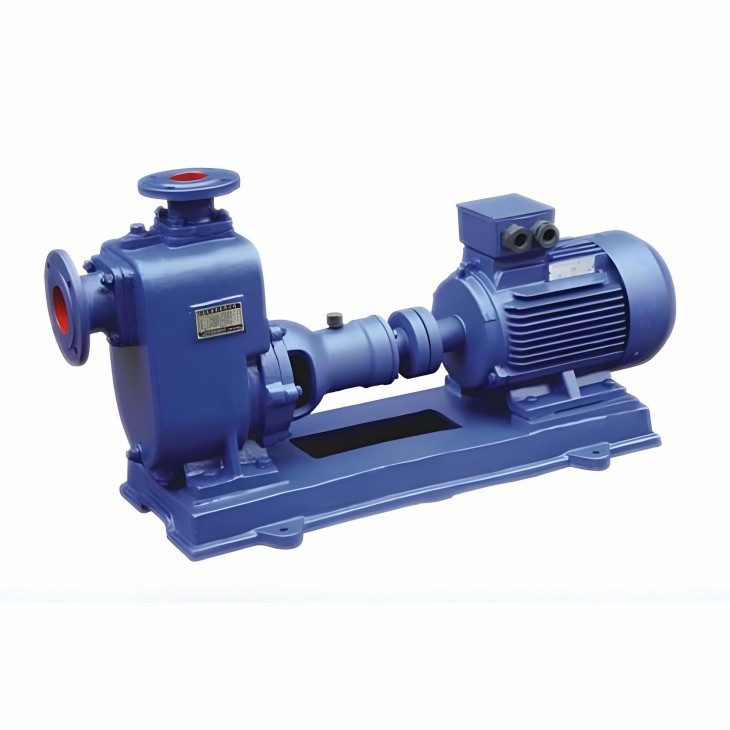
As a pump supplier, we also offer other high - quality pump products. For example, the ZX Self - priming Centrifugal Pump is a great choice for applications that require self - priming capabilities. It can handle a variety of fluids and is widely used in chemical, agricultural, and water treatment industries.
Another product is the Cantilever Corrosion - resistant Pump. This pump is designed to resist corrosion, making it suitable for handling corrosive chemicals. It has a unique cantilever structure that provides excellent stability and reliability.
Of course, our I - 1B Screw Pump is also a top - notch product. It is known for its high efficiency, stable performance, and long service life. Whether you need to transfer viscous fluids, lubricating oils, or other media, the I - 1B Screw Pump can meet your requirements.
Contact for Purchase and Negotiation
If you are interested in our I - 1B Screw Pump or any of our other pump products, we welcome you to contact us for purchase and negotiation. We have a professional sales team that can provide you with detailed product information, competitive prices, and excellent after - sales service. Don't hesitate to reach out to us to discuss your specific needs and find the most suitable pump solution for your application.
References
- Pump Manufacturer's Manual for I - 1B Screw Pump
- Vibration Analysis Handbook for Industrial Pumps
- Maintenance Guide for Centrifugal and Screw Pumps