

Selecting the right check valve for a chemical pump is a critical decision that can significantly impact the efficiency, safety, and longevity of your chemical pumping system. As a chemical pump supplier, I understand the complexities involved in this process and am here to guide you through the key considerations to ensure you make the best choice for your specific application.

Understanding the Role of Check Valves in Chemical Pumps
Before delving into the selection process, it's essential to understand the function of check valves in chemical pumping systems. A check valve, also known as a non - return valve, is a mechanical device that allows fluid to flow in only one direction. In a chemical pump, check valves prevent backflow, which can cause damage to the pump, contaminate the fluid, or disrupt the overall process.
Key Factors to Consider When Choosing a Check Valve
1. Chemical Compatibility
The first and most crucial factor is chemical compatibility. Chemical pumps handle a wide range of corrosive, abrasive, and reactive substances. The check valve must be made from materials that can withstand the chemical properties of the fluid being pumped. For example, if you are pumping acids, materials like polyvinyl chloride (PVC), polypropylene (PP), or stainless steel may be suitable. In cases where highly corrosive chemicals are involved, more exotic materials such as Hastelloy or titanium might be required.
2. Pressure Rating
The pressure rating of the check valve must match the operating pressure of the chemical pump. The valve should be able to withstand the maximum pressure that the pump can generate without leaking or failing. Consider both the static and dynamic pressures in the system. Static pressure is the pressure when the pump is not running, while dynamic pressure is the pressure during operation.
3. Flow Rate
The flow rate of the chemical pump also plays a significant role in check valve selection. The valve should have an appropriate size and design to allow the required flow rate without causing excessive pressure drop. A valve that is too small can restrict the flow, reducing the pump's efficiency, while a valve that is too large may not function properly and can lead to valve flutter or water hammer.
4. Temperature Range
The temperature of the chemical fluid can affect the performance and durability of the check valve. Some materials may become brittle or lose their sealing properties at high temperatures, while others may expand or contract at low temperatures. Make sure to choose a check valve that can operate effectively within the temperature range of your application.
5. Valve Type
There are several types of check valves available, each with its own advantages and disadvantages.
- Swing Check Valves: These valves have a disc that swings on a hinge to allow or block the flow. They are suitable for applications with low to moderate flow rates and are relatively inexpensive. However, they may require more space and can be prone to water hammer.
- Ball Check Valves: Ball check valves use a ball to seal the valve opening. They are compact, have a quick response time, and are less likely to cause water hammer. They are often used in applications with high flow rates and pulsating flows.
- Diaphragm Check Valves: Diaphragm check valves use a flexible diaphragm to control the flow. They are ideal for applications with viscous fluids or where a tight seal is required. They are also resistant to corrosion and abrasion.
Our Chemical Pump Offerings and Compatibility with Check Valves
As a chemical pump supplier, we offer a wide range of pumps, each with its own requirements for check valves.
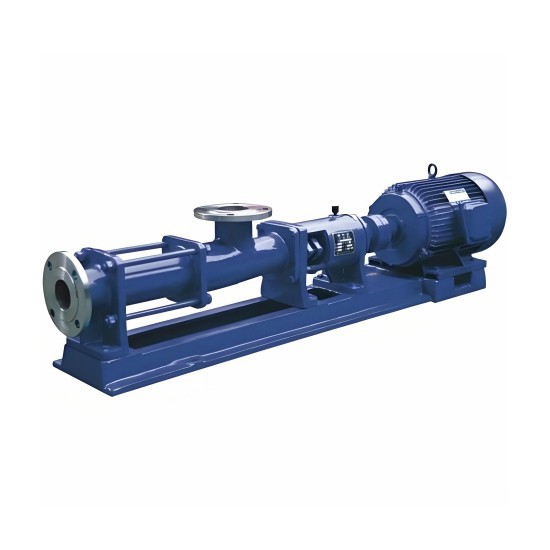
The I - 1B Screw Pump is a positive displacement pump known for its smooth and continuous flow. When choosing a check valve for this pump, you need to consider its relatively low - pulsation flow characteristics. A ball check valve or a diaphragm check valve may be a good choice, as they can handle the flow rate and provide a reliable seal.
The KCB Gear Oil Pump is commonly used for pumping oil and other viscous fluids. Due to the high viscosity of the fluid, a swing check valve with a heavy - duty disc may be suitable. It can withstand the pressure and ensure proper flow control.
The Cantilever Corrosion - resistant Pump is designed to handle corrosive chemicals. For this pump, chemical - resistant materials such as PVC or stainless steel are essential for the check valve. Diaphragm check valves made from these materials can provide excellent corrosion resistance and reliable operation.
Installation and Maintenance Considerations
Proper installation and maintenance of the check valve are also crucial for its performance. Make sure to follow the manufacturer's installation instructions carefully. The valve should be installed in the correct orientation to ensure proper flow direction. Regular maintenance, including inspection for wear and tear, cleaning, and replacement of worn parts, can extend the life of the check valve and prevent costly breakdowns.
Conclusion
Choosing the right check valve for a chemical pump is a multi - faceted process that requires careful consideration of various factors. By taking into account chemical compatibility, pressure rating, flow rate, temperature range, and valve type, you can ensure that your chemical pumping system operates efficiently and safely. As a chemical pump supplier, we are committed to providing you with the best products and expert advice to help you make the right choice.
If you are in the process of selecting a check valve for your chemical pump or have any questions about our pump offerings, we encourage you to contact us for further discussion and procurement negotiation. Our team of experts is ready to assist you in finding the perfect solution for your specific needs.
References
- Crane Co., "Flow of Fluids Through Valves, Fittings, and Pipe," Technical Paper No. 410.
- ASME B16.34, "Valves - Flanged, Threaded, and Welding End."
- API 6D, "Pipeline Valves - Specification for Pipeline Valves."