

Hey there! I'm a supplier of sewage treatment equipment, and I've seen my fair share of issues that pop up with these systems. In this blog, I'm gonna share some of the common problems you might run into when dealing with sewage treatment equipment.
Clogging Issues
One of the most frequent problems we encounter is clogging. Sewage contains all sorts of stuff - from solid waste to debris like wipes, sanitary products, and even small pieces of plastic. These materials can easily get stuck in the pipes and filters of the treatment equipment.
For example, in Wastewater Equipment, the intake pipes are often the first place where clogging occurs. If the wastewater has a high concentration of solids, it can build up over time and block the flow. This not only reduces the efficiency of the treatment process but can also cause damage to the pumps and other components.
To prevent clogging, regular maintenance is crucial. This includes inspecting and cleaning the filters and pipes on a routine basis. You can also install pre - treatment devices that help remove large solids before they enter the main treatment system.
Pump Failures
Pumps are an essential part of sewage treatment equipment. They are responsible for moving the sewage through the system, from the collection point to the treatment tanks and then to the discharge area. However, pumps can fail for several reasons.
One common cause of pump failure is overheating. If the pump is running continuously without proper cooling or if it's overloaded with too much sewage, it can overheat and burn out. Another issue is wear and tear. The impellers and seals in the pump can degrade over time, leading to leaks and reduced performance.

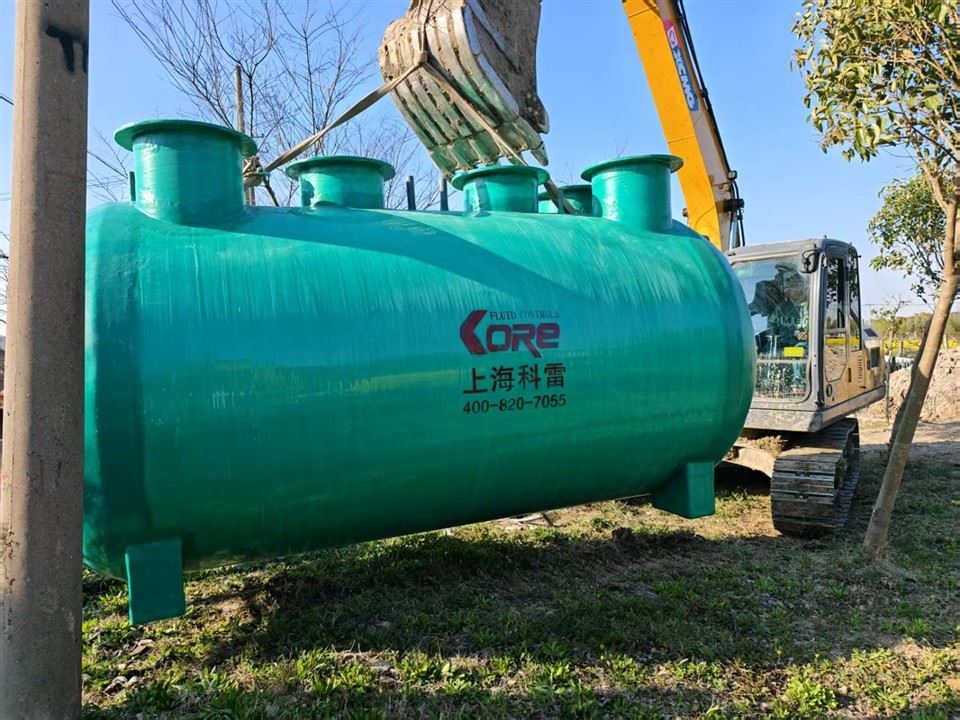
In Sewage Lifting Equipment, pump failures can be particularly problematic as they are designed to lift the sewage to a higher level. When a pump fails in this type of equipment, it can cause backups and prevent the proper flow of sewage.
To avoid pump failures, it's important to choose pumps that are appropriately sized for the volume of sewage they need to handle. Regular maintenance, such as checking the oil levels, inspecting the impellers, and tightening loose connections, can also extend the life of the pumps.
Aeration Problems
Aeration is a key process in sewage treatment. It involves adding oxygen to the wastewater to promote the growth of beneficial bacteria that break down the organic matter. However, there are several issues that can arise with aeration systems.
One problem is uneven aeration. If the air diffusers are blocked or not properly distributed, some areas of the treatment tank may receive too much oxygen while others receive too little. This can lead to inefficient treatment and the formation of anaerobic zones, which produce unpleasant odors.
Another issue is the failure of the aeration blowers. These blowers are responsible for supplying the air to the diffusers. If the blowers break down, the entire aeration process will stop, and the treatment efficiency will drop significantly.
In Non - electric Sewage Purification Tank, aeration can be a bit more challenging as it often relies on natural or passive aeration methods. Ensuring proper air circulation and oxygen transfer in these systems requires careful design and regular monitoring.
To address aeration problems, you need to regularly clean the air diffusers and check the performance of the blowers. You can also adjust the aeration rate based on the quality and volume of the incoming sewage.
Chemical Dosage Errors
Many sewage treatment processes rely on the addition of chemicals to remove contaminants. These chemicals can include coagulants, flocculants, disinfectants, and pH adjusters. However, getting the chemical dosage right can be tricky.
If too little chemical is added, the treatment may not be effective, and the treated water may still contain high levels of pollutants. On the other hand, if too much chemical is added, it can be wasteful and may also cause environmental problems. For example, an excessive amount of disinfectant can harm aquatic life when the treated water is discharged into natural water bodies.
To avoid chemical dosage errors, it's important to have a proper monitoring system in place. This can include sensors that measure the quality of the incoming and treated water and automated dosing systems that adjust the chemical dosage based on the real - time data.
Odor Emissions
Odor is a major concern in sewage treatment facilities. The decomposition of organic matter in sewage produces foul - smelling gases such as hydrogen sulfide and ammonia. These odors can be a nuisance to nearby residents and workers and can also indicate problems with the treatment process.
Odor emissions can be caused by several factors. Anaerobic conditions in the treatment tanks, as mentioned earlier, can produce strong odors. Inadequate ventilation or improper sealing of the treatment equipment can also allow the odors to escape.
To control odor emissions, you can install odor control systems such as activated carbon filters or chemical scrubbers. Improving the ventilation in the treatment area and ensuring proper sealing of the tanks and pipes can also help reduce the spread of odors.
Monitoring and Control System Failures
Modern sewage treatment equipment often comes with sophisticated monitoring and control systems. These systems are used to monitor the performance of the equipment, adjust the treatment processes, and ensure compliance with environmental regulations. However, these systems can also fail.
Software glitches, hardware malfunctions, or power outages can all cause the monitoring and control systems to stop working. When this happens, it can be difficult to detect problems in the treatment process in a timely manner, which can lead to poor treatment results and potential environmental violations.
To prevent monitoring and control system failures, regular maintenance and software updates are necessary. You should also have backup power sources and redundant systems in place to ensure continuous operation.
Conclusion
As you can see, there are several common problems that can occur with sewage treatment equipment. But don't worry! With proper maintenance, regular inspections, and the right equipment selection, many of these issues can be avoided or quickly resolved.
If you're in the market for sewage treatment equipment or need help with troubleshooting existing problems, I'm here to assist you. Whether it's Wastewater Equipment, Non - electric Sewage Purification Tank, or Sewage Lifting Equipment, I've got you covered. Reach out to me, and we can have a chat about your specific needs and how we can work together to get the best sewage treatment solution for you.
References
- Water Environment Federation. (2020). Wastewater Treatment Plant Operations Manual.
- United States Environmental Protection Agency. (2019). Guide to Sewage Treatment Equipment Selection and Maintenance.