

Can an I - 1B Screw Pump be used for pumping slurries?
As a supplier of the I - 1B Screw Pump, I often encounter inquiries from customers regarding the pump's suitability for pumping slurries. Slurries, which are mixtures of solids and liquids, present unique challenges in pumping operations. In this blog post, I will explore whether the I - 1B Screw Pump can effectively handle slurries, considering its design, performance characteristics, and the nature of slurries.
Understanding the I - 1B Screw Pump
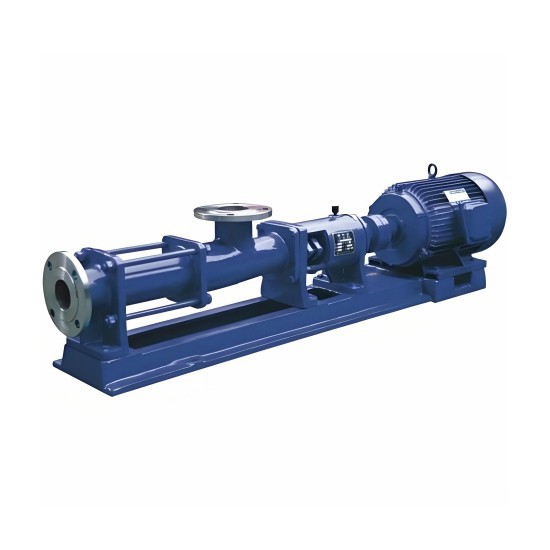
The I - 1B Screw Pump is a type of positive displacement pump that operates on the principle of screw rotation. It consists of one or more screws that mesh together within a casing. As the screws rotate, they create a series of sealed cavities that move the fluid from the suction side to the discharge side. This design provides a continuous and pulsation - free flow, which is beneficial for many applications.
One of the key advantages of the I - 1B Screw Pump is its ability to handle high - viscosity fluids. The screw design allows the pump to generate high pressures even when pumping thick or sticky substances. Additionally, the pump has a relatively simple structure, which makes it easy to maintain and repair.
Characteristics of Slurries
Slurries vary widely in their composition, depending on the type of solids and the liquid medium. The solids in slurries can range from fine particles to large chunks, and their concentration can also vary significantly. The liquid medium can be water, oil, or other chemicals.
Some of the challenges associated with pumping slurries include abrasion, erosion, and clogging. The solid particles in the slurry can cause wear on the pump components, especially the impellers, casings, and seals. Erosion can occur when the high - velocity flow of the slurry carries the solid particles and wears away the pump surfaces. Clogging can happen if the solid particles are too large or if the concentration of solids is too high.
Suitability of the I - 1B Screw Pump for Pumping Slurries
Advantages
- Gentle Handling: The I - 1B Screw Pump provides a gentle pumping action, which is suitable for slurries that contain fragile solids. The continuous and pulsation - free flow minimizes the risk of damaging the solid particles, making it ideal for applications where the integrity of the solids needs to be maintained.
- High - Viscosity Handling: Many slurries have a high viscosity due to the presence of solids. The I - 1B Screw Pump's ability to handle high - viscosity fluids makes it well - suited for pumping such slurries. It can generate sufficient pressure to move the thick and sticky mixture through the pipeline.
- Self - Priming: The I - 1B Screw Pump is self - priming, which means it can start pumping without the need for external priming. This is an advantage when pumping slurries, as it simplifies the startup process and reduces the risk of air locks.
Limitations
- Abrasion Resistance: Although the I - 1B Screw Pump can handle some level of abrasion, it may not be suitable for highly abrasive slurries. The solid particles in these slurries can cause rapid wear on the pump components, reducing the pump's lifespan and efficiency.
- Particle Size and Concentration: The I - 1B Screw Pump has limitations in terms of the size and concentration of solid particles it can handle. If the solid particles are too large or if the concentration of solids is too high, the pump may experience clogging.
Considerations for Using the I - 1B Screw Pump with Slurries
- Material Selection: To improve the pump's resistance to abrasion, it is important to select the appropriate materials for the pump components. For example, using hard - faced materials for the screws and casings can help reduce wear.
- Slurry Pretreatment: Pretreating the slurry before pumping can help reduce the risk of clogging and abrasion. This can include processes such as screening to remove large particles or adding chemicals to adjust the slurry's properties.
- System Design: The overall system design, including the pipeline layout and the selection of valves and fittings, can also affect the pump's performance when pumping slurries. A well - designed system can minimize the risk of blockages and ensure a smooth flow of the slurry.
Comparison with Other Pump Types
When considering pumping slurries, it is also useful to compare the I - 1B Screw Pump with other pump types.
ZX Self - priming Centrifugal Pump
The ZX Self - priming Centrifugal Pump is another option for pumping slurries. Centrifugal pumps work by using a rotating impeller to create a centrifugal force that moves the fluid. They are generally more suitable for low - viscosity slurries and can handle a higher flow rate compared to the I - 1B Screw Pump. However, centrifugal pumps may be more prone to cavitation and are less effective at handling high - viscosity or abrasive slurries.
KCB Gear Oil Pump
The KCB Gear Oil Pump is a positive displacement pump that uses gears to move the fluid. It is often used for pumping oil - based slurries. Gear pumps can generate high pressures but may not be as effective as the I - 1B Screw Pump at handling slurries with a high concentration of solids or large particles.

Conclusion
In conclusion, the I - 1B Screw Pump can be used for pumping slurries in certain applications. Its gentle handling, high - viscosity handling, and self - priming capabilities make it a suitable choice for many slurry pumping tasks. However, it also has limitations in terms of abrasion resistance and the size and concentration of solid particles it can handle.
When considering using the I - 1B Screw Pump for pumping slurries, it is important to carefully evaluate the characteristics of the slurry and the specific requirements of the application. Proper material selection, slurry pretreatment, and system design can help overcome the pump's limitations and ensure optimal performance.
If you are interested in using the I - 1B Screw Pump for your slurry pumping needs, we welcome you to contact us for further discussion and to explore the best pumping solutions for your specific application. Our team of experts is ready to assist you in making the right choice and ensuring a successful pumping operation.
References
- "Pump Handbook" by Igor J. Karassik et al.
- "Centrifugal Pumps: Design and Application" by Heinz P. Bloch and Fred K. Geitner.