

When operating sewage lifting equipment in cold climates, several critical precautions must be taken to ensure its efficient and reliable performance. As a supplier of sewage lifting equipment, I understand the unique challenges that cold weather presents and have gathered essential information to guide you through this process.
1. Insulation and Heating
One of the primary concerns in cold climates is the freezing of sewage within the pipes and equipment. To prevent this, proper insulation is crucial. Insulating the pipes and the sewage lifting unit itself can significantly reduce the risk of freezing. High - quality insulation materials, such as foam insulation sleeves, can be wrapped around the pipes. These materials act as a barrier, slowing down the heat transfer from the sewage to the cold external environment.
In addition to insulation, some sewage lifting equipment may require heating elements. For example, in extremely cold regions, installing electric heating tapes along the pipes can help maintain the temperature of the sewage above freezing point. These heating tapes are designed to be energy - efficient and can be set to turn on automatically when the temperature drops below a certain threshold.
2. Fluid Selection
The type of fluid used in the sewage lifting equipment also matters in cold climates. Traditional sewage may contain water that freezes at 0°C (32°F). To prevent freezing, additives can be used to lower the freezing point of the fluid. Antifreeze agents, when added in the right proportions, can reduce the risk of ice formation. However, it is essential to ensure that these additives are environmentally friendly and do not interfere with the normal operation of the sewage treatment process.
3. Regular Maintenance
Cold weather can put additional stress on sewage lifting equipment, making regular maintenance even more important. Before the onset of winter, a thorough inspection of the equipment should be carried out. Check for any signs of wear and tear, such as cracks in the pipes or seals. Replace any damaged parts immediately to prevent leaks, which can be especially problematic in cold weather as the leaked sewage may freeze and cause further damage.
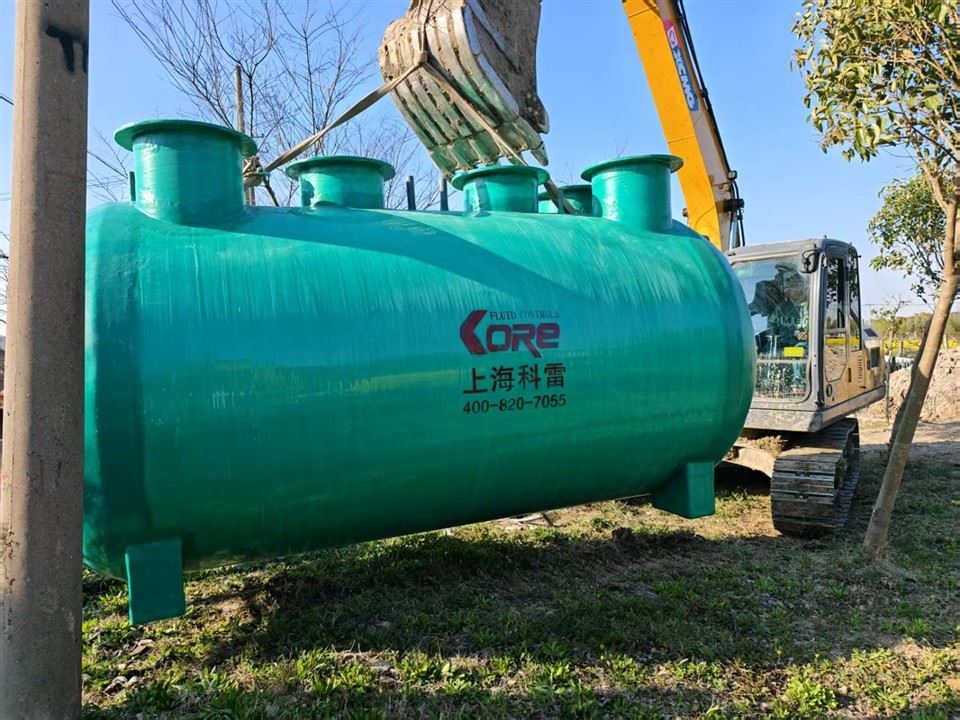

The pumps in the sewage lifting equipment also need special attention. Ensure that the pump impellers are clean and in good working condition. Lubricate all moving parts to prevent them from seizing up due to the cold. Regularly test the pump's performance to ensure that it can handle the sewage flow even in cold conditions.
4. Protection from Snow and Ice
Snow and ice accumulation around the sewage lifting equipment can cause physical damage and also impede its operation. Provide proper shelter for the equipment to protect it from direct exposure to snow and ice. A well - designed enclosure can keep the equipment dry and prevent ice from building up on its surfaces.
If snow does accumulate, it should be removed promptly. Be careful when removing snow or ice near the equipment to avoid damaging any components. Using non - abrasive tools is recommended to prevent scratching or denting the equipment.
5. Monitoring and Alarms
Installing monitoring systems is essential for early detection of any issues in cold climates. Temperature sensors can be placed within the pipes and the equipment to monitor the temperature. If the temperature drops close to the freezing point, an alarm can be triggered, allowing for timely action to be taken.
Flow sensors can also be used to monitor the sewage flow. A sudden decrease in flow may indicate a blockage caused by freezing, and the alarm can alert the maintenance team to investigate and resolve the problem.
6. Consideration of Alternative Systems
In some cases, it may be beneficial to consider alternative sewage treatment systems that are more suitable for cold climates. For example, the Non - electric Sewage Purification Tank is a great option. This system operates without electricity, which can be an advantage in areas where power outages are common during cold weather. It also has a simple design that is less likely to be affected by freezing temperatures.
Another option is the Wastewater Equipment. These systems are designed to handle a variety of wastewater conditions and can be equipped with special features to withstand cold climates. They often have advanced filtration and treatment processes that ensure efficient sewage treatment even in low temperatures.
The Intelligent Negative Pressure Drainage System is also worth considering. This system uses negative pressure to transport sewage, which can be more effective in cold climates as it reduces the risk of freezing in the pipes.
7. Training for Operators
Proper training for the operators of the sewage lifting equipment is crucial, especially in cold climates. Operators should be educated on the specific precautions and maintenance procedures required during winter. They should know how to operate the monitoring systems, how to respond to alarms, and how to perform basic troubleshooting.
Regular training sessions can keep the operators updated on the latest best practices for operating sewage lifting equipment in cold weather. This will not only ensure the smooth operation of the equipment but also extend its lifespan.
8. Backup Power Supply
Power outages are more common in cold climates due to various factors such as snow - covered power lines or equipment failures. A backup power supply, such as a generator, should be installed for the sewage lifting equipment. This ensures that the equipment can continue to operate even during a power outage, preventing sewage backups and potential environmental hazards.
It is important to test the backup power supply regularly to ensure that it is in good working condition. Store an adequate amount of fuel for the generator, especially during long - lasting cold spells.
Conclusion
Operating sewage lifting equipment in cold climates requires careful planning and implementation of various precautions. From insulation and heating to regular maintenance and the use of alternative systems, every aspect plays a crucial role in ensuring the reliable performance of the equipment. As a supplier of sewage lifting equipment, we are committed to providing high - quality products and comprehensive support to our customers. If you are facing challenges in operating sewage lifting equipment in cold climates or are looking for new solutions, we invite you to contact us for a detailed discussion. Our team of experts will be happy to assist you in finding the most suitable equipment and strategies for your specific needs.
References
- "Sewage Treatment in Cold Climates: Challenges and Solutions" by Smith, J. et al., Environmental Engineering Journal, 2020.
- "Winterization of Sewage Lifting Equipment" by Johnson, R., Plumbing and Sanitation Magazine, 2019.
- "Best Practices for Operating Wastewater Systems in Cold Weather" by Brown, A., Water Management Review, 2021.