

Hey there! I'm a supplier of sewage lifting equipment, and I've been in this industry for quite a while. Today, I want to chat about the requirements for using sewage lifting equipment in a septic tank system.
First off, let's understand what a septic tank system is. It's a self - contained wastewater treatment system commonly used in areas where there's no access to a centralized sewer system. The septic tank collects and treats household sewage. Solid waste settles at the bottom, and the liquid effluent flows out for further treatment or disposal.
Now, why do we need sewage lifting equipment in a septic tank system? Well, sometimes the septic tank is located below the level of the drain field or the sewer line. In such cases, gravity alone can't move the sewage, and that's where sewage lifting equipment comes in handy. It helps pump the sewage from the septic tank to the desired location.
1. Capacity Requirements
One of the most crucial requirements is getting the right capacity for your sewage lifting equipment. You need to consider the amount of sewage that your household or business generates. If you're running a small home with a few people, the sewage volume will be relatively low. But if it's a commercial building or a large residential complex, the equipment must be able to handle a much larger flow.
To determine the capacity, you can look at the number of fixtures in the building. Each fixture, like toilets, sinks, and showers, has an estimated flow rate. Add up these flow rates to get an idea of the peak sewage flow. The sewage lifting equipment should be sized to handle this peak flow without getting overwhelmed. For example, if you have a building with 10 toilets, 15 sinks, and 5 showers, you'll need a more powerful unit compared to a single - family home with just 2 toilets and 3 sinks.
2. Compatibility with Septic Tank
The sewage lifting equipment must be compatible with the septic tank. The tank has its own design and characteristics, and the equipment should fit well with it. For instance, the inlet and outlet sizes of the lifting equipment should match the pipes connected to the septic tank. If the sizes don't match, it can lead to leaks or improper flow, which can cause problems in the long run.
Also, the type of sewage in the septic tank can vary. It contains solids, liquids, and sometimes even grease and other contaminants. The equipment should be able to handle these substances without clogging easily. Some sewage lifting equipment comes with features like grinder pumps that can break down solids into smaller pieces, making it easier to pump the sewage.
3. Power Requirements
Most sewage lifting equipment runs on electricity. You need to ensure that your electrical system can support the power needs of the equipment. Check the power rating of the unit, which is usually given in watts or horsepower. If your electrical system has limited capacity, you may need to upgrade it to run the sewage lifting equipment safely.
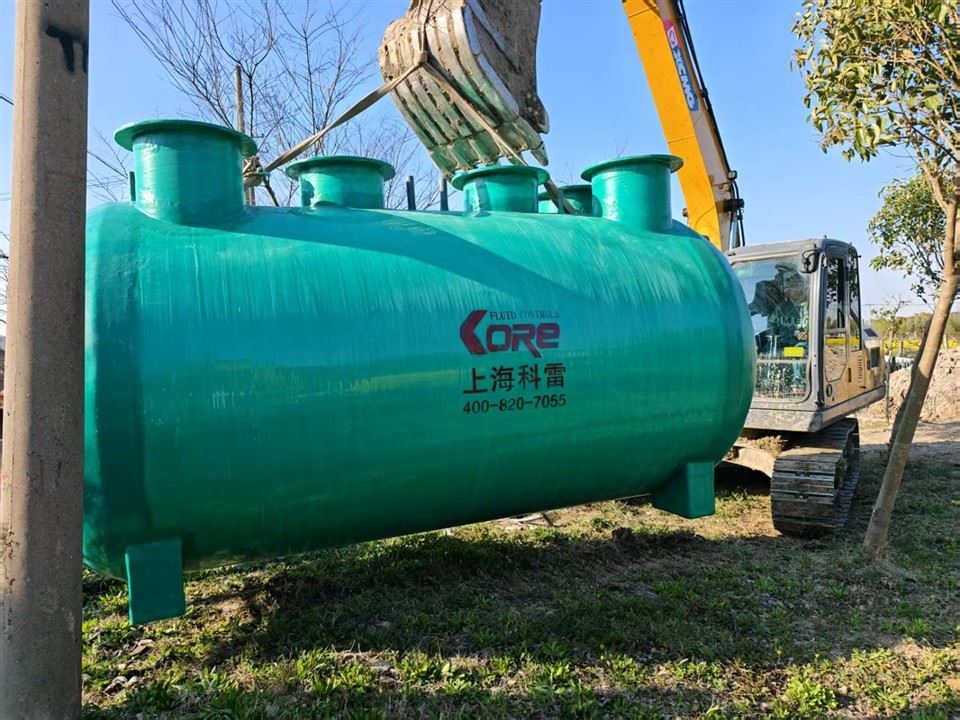
In some cases, you might want to consider non - electric options. There are Non - electric Sewage Purification Tank available that can work without electricity. These can be a great alternative in areas where power outages are common or where you want to reduce your energy consumption.
4. Installation Requirements
Proper installation is key to the effective operation of sewage lifting equipment. It should be installed by a professional who has experience with septic tank systems and sewage pumps. The installation process involves connecting the equipment to the septic tank, the drain field, and the electrical system.
The location of the installation is also important. The equipment should be placed in a dry and accessible area. It shouldn't be in a place where it can get flooded easily, as water can damage the electrical components. Also, it should be installed at a proper height to ensure that the sewage can flow smoothly into and out of the equipment.
5. Maintenance Requirements
Like any other equipment, sewage lifting equipment requires regular maintenance. You need to clean the equipment periodically to prevent clogging. Check the impellers, valves, and other components for any signs of wear and tear. Replace any damaged parts as soon as possible to avoid breakdowns.
Some sewage lifting equipment comes with self - cleaning features, which can reduce the maintenance workload. But even with these features, you still need to perform routine inspections. You can refer to the manufacturer's manual for specific maintenance instructions.
6. Safety Requirements
Safety is of utmost importance when using sewage lifting equipment. The equipment should be properly grounded to prevent electrical shocks. There should be safety switches and alarms in place to alert you in case of any problems, such as a clog or a power failure.
The sewage contains harmful bacteria and pathogens, so you need to take precautions when handling the equipment. Wear protective gear, like gloves and goggles, when performing maintenance or inspections.
7. Regulatory Requirements
There are often local regulations and codes that govern the use of sewage lifting equipment in septic tank systems. These regulations are in place to protect the environment and public health. Make sure that the equipment you choose complies with these regulations.
For example, some areas have restrictions on the type of sewage treatment equipment that can be used. They may require certain levels of treatment or specific design features. Before purchasing and installing the equipment, check with your local health department or regulatory agency to ensure that you're in compliance.
8. Noise and Vibration Requirements
No one wants a noisy sewage lifting equipment in their home or business. The equipment should operate quietly. Excessive noise can be a nuisance, especially if the equipment is installed near living or working areas.
Also, vibration can cause problems over time. It can loosen connections and damage the equipment. Look for equipment that has features to reduce noise and vibration, such as rubber mounts or sound - insulating materials.
9. Durability Requirements
You want your sewage lifting equipment to last a long time. Look for equipment made from high - quality materials that can withstand the harsh environment of a septic tank system. The pump housing should be corrosion - resistant, as it will be in contact with sewage for long periods.
The motor and other components should also be durable. A well - made piece of equipment will save you money in the long run by reducing the need for frequent replacements.
10. Monitoring and Control Requirements
Some advanced sewage lifting equipment comes with monitoring and control features. These can allow you to remotely monitor the operation of the equipment, check the flow rate, and receive alerts if there are any issues.
For example, you can use a smartphone app to keep track of the equipment's performance. This can be very useful, especially if you're away from the property for an extended period.
In conclusion, using sewage lifting equipment in a septic tank system requires careful consideration of various factors. From capacity and compatibility to power, installation, maintenance, and safety, each aspect plays a crucial role in ensuring the proper functioning of the system.
If you're in the market for sewage lifting equipment, we offer a wide range of Wastewater Equipment and Intelligent Negative Pressure Drainage System that meet all these requirements. Our products are designed to be reliable, efficient, and easy to maintain.
If you have any questions or want to discuss your specific needs, feel free to reach out. We're here to help you find the best solution for your septic tank system. Let's have a chat and see how we can work together to get your sewage lifting needs sorted out.

References
- "Septic System Owner's Manual" - U.S. Environmental Protection Agency
- "Residential Wastewater Treatment Systems" - American Society of Plumbing Engineers