

Chemical pumps are essential equipment in various industries, including chemical processing, pharmaceuticals, food and beverage, and water treatment. These pumps are designed to handle a wide range of chemicals, from corrosive acids and alkalis to viscous fluids and abrasive slurries. However, not all pumps are suitable for every chemical application. The chemical compatibility of a chemical pump is a critical factor that determines its performance, reliability, and lifespan.

Understanding Chemical Compatibility
Chemical compatibility refers to the ability of a pump material to resist the chemical attack of the fluid it is handling. When a pump is exposed to a chemical that is incompatible with its materials of construction, it can lead to corrosion, erosion, swelling, cracking, or other forms of degradation. These issues can not only reduce the pump's efficiency and performance but also pose safety risks to the operators and the environment.
To ensure chemical compatibility, it is essential to consider several factors, including the type of chemical, its concentration, temperature, pressure, and the duration of exposure. Different chemicals have different chemical properties and reactivity, which can affect the pump's materials in various ways. For example, acids and alkalis are highly corrosive and can dissolve or react with many metals and plastics. Oxidizing agents can cause oxidation and degradation of organic materials, while solvents can dissolve or swell certain polymers.
Materials of Construction
The choice of materials for a chemical pump is crucial for ensuring chemical compatibility. There are several types of materials commonly used in chemical pump construction, each with its own advantages and limitations.
Metals
- Stainless Steel: Stainless steel is a popular choice for chemical pumps due to its excellent corrosion resistance, strength, and durability. It is suitable for handling a wide range of chemicals, including acids, alkalis, and salts. However, not all stainless steels are created equal, and the specific grade of stainless steel should be selected based on the chemical properties of the fluid.
- Hastelloy: Hastelloy is a family of nickel-based alloys that offer superior corrosion resistance in highly corrosive environments. It is particularly suitable for handling strong acids, such as sulfuric acid, hydrochloric acid, and nitric acid.
- Titanium: Titanium is a lightweight and strong metal that has excellent corrosion resistance in many chemical environments. It is commonly used in applications where high strength and corrosion resistance are required, such as in the chemical processing and aerospace industries.
Plastics
- Polypropylene (PP): Polypropylene is a thermoplastic polymer that is widely used in chemical pump construction due to its excellent chemical resistance, low cost, and lightweight. It is suitable for handling a wide range of chemicals, including acids, alkalis, and solvents.
- Polyvinylidene Fluoride (PVDF): PVDF is a high-performance thermoplastic polymer that offers excellent chemical resistance, thermal stability, and mechanical strength. It is commonly used in applications where high chemical resistance and durability are required, such as in the semiconductor and pharmaceutical industries.
- Polytetrafluoroethylene (PTFE): PTFE, also known as Teflon, is a synthetic fluoropolymer that has excellent chemical resistance, low friction, and non-stick properties. It is commonly used in applications where high chemical resistance and low friction are required, such as in the food and beverage and chemical processing industries.
Ceramics
- Silicon Carbide (SiC): Silicon carbide is a hard and brittle ceramic material that has excellent corrosion resistance, wear resistance, and thermal conductivity. It is commonly used in applications where high wear resistance and corrosion resistance are required, such as in the chemical processing and mining industries.
- Alumina (Al2O3): Alumina is a ceramic material that has excellent mechanical strength, hardness, and chemical resistance. It is commonly used in applications where high strength and wear resistance are required, such as in the pump impellers and seals.
Our Chemical Pump Offerings
As a leading chemical pump supplier, we offer a wide range of chemical pumps that are designed to meet the specific needs of our customers. Our pumps are made from high-quality materials and are engineered to provide reliable and efficient performance in a variety of chemical applications.
- Cantilever Corrosion-resistant Pump: Our cantilever corrosion-resistant pumps are designed to handle highly corrosive chemicals with ease. They feature a cantilever design that eliminates the need for a stuffing box or mechanical seal, reducing the risk of leakage and maintenance requirements.
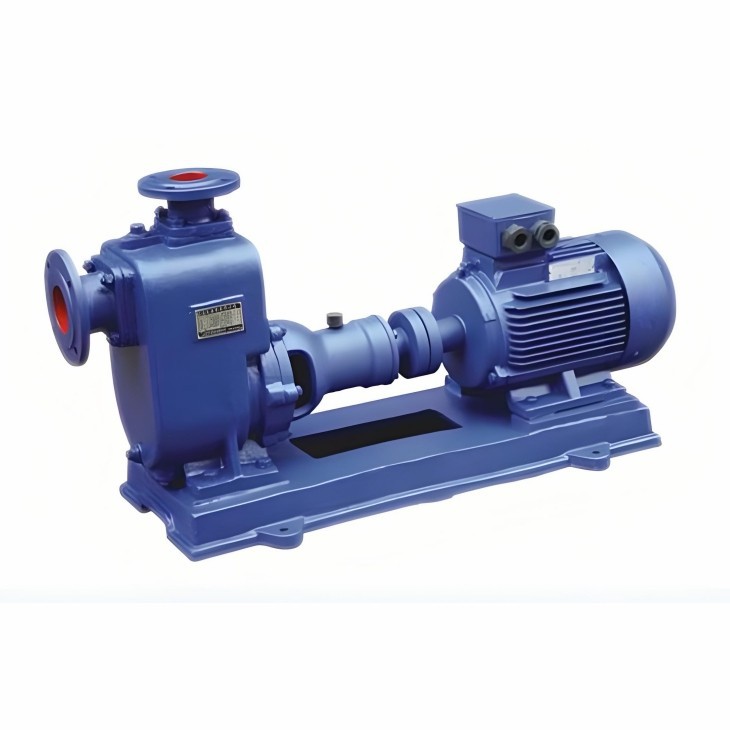
- ZX Self-priming Centrifugal Pump: Our ZX self-priming centrifugal pumps are ideal for applications where self-priming is required. They are capable of handling a wide range of chemicals, including acids, alkalis, and solvents, and are designed to provide reliable and efficient performance.
- I-1B Screw Pump: Our I-1B screw pumps are suitable for handling viscous fluids and slurries. They feature a positive displacement design that provides a constant flow rate regardless of the pressure, making them ideal for applications where accurate metering and dosing are required.
Ensuring Chemical Compatibility
To ensure the chemical compatibility of our pumps, we work closely with our customers to understand their specific requirements and provide them with the most suitable pump solution. Our team of experts has extensive knowledge and experience in chemical pump selection and can provide valuable advice and guidance on the choice of materials and pump design.
In addition to selecting the right materials and pump design, we also conduct rigorous testing and quality control to ensure that our pumps meet the highest standards of performance and reliability. We use advanced testing equipment and techniques to simulate real-world operating conditions and verify the chemical compatibility of our pumps.
Conclusion
Chemical compatibility is a critical factor in the selection and operation of chemical pumps. By understanding the chemical properties of the fluid and choosing the right materials and pump design, you can ensure the reliable and efficient performance of your chemical pumping system. As a leading chemical pump supplier, we are committed to providing our customers with high-quality pumps that are designed to meet their specific needs and requirements. If you have any questions or need assistance in selecting the right chemical pump for your application, please do not hesitate to contact us. We look forward to working with you to provide the best pump solution for your chemical processing needs.
References
- Cheremisinoff, N. P. (2000). Pump Handbook. McGraw-Hill.
- Karassik, I. J., Messina, J. P., Cooper, P. T., & Heald, C. C. (2008). Pump Handbook (4th ed.). McGraw-Hill.
- Schweitzer, P. A. (2004). Corrosion Resistance Tables (5th ed.). McGraw-Hill.