

Hey there! As a supplier of chemical pumps, I often get asked about the differences between horizontal and vertical chemical pumps. It's a crucial topic, especially if you're in the market for a new pump for your chemical processing needs. So, let's dive right in and break down these two types of pumps.
Structure and Design
First off, let's talk about the structure. Horizontal chemical pumps, as the name suggests, have a horizontal shaft orientation. This means the pump's impeller rotates on a horizontal axis. Picture it like a long, flat machine lying on its side. These pumps are usually mounted on a baseplate, and they're pretty straightforward in terms of installation. You just need a flat surface to place them on, and they're good to go.
On the other hand, vertical chemical pumps have a vertical shaft orientation. The impeller rotates on a vertical axis, and the pump is often installed vertically into a sump or tank. This design allows the pump to be submerged in the liquid it's pumping, which can be a big advantage in some situations.
Space Requirements
One of the most obvious differences between the two is the space they take up. Horizontal pumps are typically larger in terms of footprint. They need a relatively large, flat area for installation. If you have a lot of floor space available in your facility, this might not be a problem. But if space is at a premium, a horizontal pump could be a challenge.
Vertical pumps, however, are much more space - efficient. Since they're installed vertically, they take up very little floor space. This makes them a great choice for facilities where space is limited, like small chemical plants or laboratories.
Suction and NPSH Requirements
Suction performance is another key difference. Horizontal pumps usually have better suction capabilities compared to vertical pumps. They can handle lower Net Positive Suction Head (NPSH) requirements more easily. NPSH is basically the pressure required at the suction of the pump to prevent cavitation, which is the formation and collapse of vapor bubbles in the liquid being pumped. Cavitation can damage the pump and reduce its efficiency.
Vertical pumps, especially those that are submerged, have a natural advantage when it comes to suction. The liquid is already at the pump's inlet, so they don't have to work as hard to draw in the liquid. However, they may still have specific NPSH requirements that need to be met, depending on the application.
Maintenance
Maintenance is an important consideration for any piece of equipment. Horizontal pumps are generally easier to access for maintenance. The components are more accessible, and it's easier to disassemble and reassemble the pump for repairs or routine maintenance. You can easily reach the impeller, bearings, and seals without having to remove the entire pump from its installation.
Vertical pumps can be a bit more challenging to maintain. Since they're often installed in sumps or tanks, accessing the internal components can be difficult. You may need to lift the pump out of the sump, which can be a time - consuming and labor - intensive process. However, some modern vertical pumps are designed with features that make maintenance easier, such as removable top covers or modular designs.
Applications
Now, let's talk about where each type of pump shines in terms of applications. Horizontal pumps are commonly used in applications where large volumes of liquid need to be pumped over long distances. They're often used in chemical manufacturing plants for transferring chemicals between different processing units. For example, in a large - scale chemical production facility, a horizontal pump might be used to transfer chemicals from storage tanks to reaction vessels.
Vertical pumps are ideal for applications where the liquid needs to be pumped from a sump or a tank. They're commonly used in wastewater treatment plants, where they can be submerged in the wastewater to pump it out. They're also great for applications where the liquid level in the tank fluctuates, like in some chemical storage facilities.
Examples of Our Pumps
At our company, we offer a range of both horizontal and vertical chemical pumps to meet different customer needs. For instance, our I - 1B Screw Pump is a great example of a horizontal pump. It's known for its high - efficiency and reliable performance in transferring various chemicals.
Our ZX Self - priming Centrifugal Pump is another horizontal option. It has self - priming capabilities, which means it can draw in liquid on its own without the need for external priming. This makes it very convenient for applications where the pump may run dry occasionally.

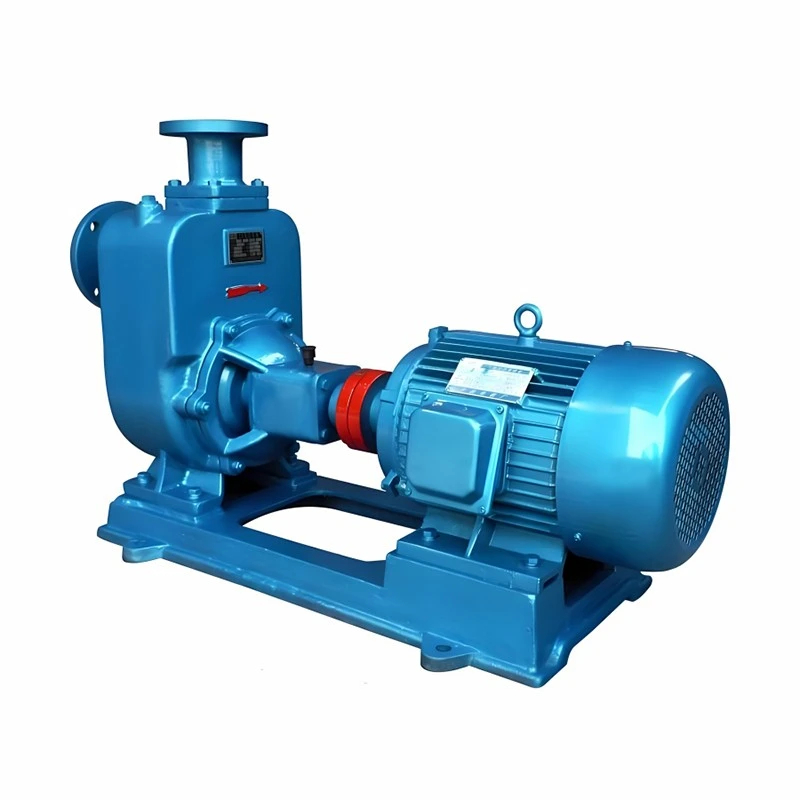
If you're looking for a vertical pump, our Cantilever Corrosion - resistant Pump is a top choice. It's designed to be corrosion - resistant, making it suitable for pumping aggressive chemicals.
Cost Considerations
Cost is always a factor when choosing a pump. Horizontal pumps are generally less expensive to purchase and install compared to vertical pumps. The installation of a horizontal pump is usually simpler and requires less specialized equipment. However, over the long - term, the maintenance costs of horizontal pumps can add up, especially if they're used in high - demand applications.
Vertical pumps, on the other hand, are more expensive upfront. The installation process is more complex and may require additional equipment, such as lifting devices. But in some cases, the lower maintenance costs and longer service life of vertical pumps can offset the initial investment.
Making the Right Choice
So, how do you decide which type of pump is right for you? It really depends on your specific needs. Consider factors like the available space in your facility, the suction requirements of your application, the type of liquid you're pumping, and your budget.
If you have plenty of floor space, need good suction performance, and are on a tight budget, a horizontal pump might be the way to go. But if space is limited, you need to pump from a sump or tank, and you can afford a higher upfront cost, a vertical pump could be the better choice.
Let's Connect
I hope this blog has given you a better understanding of the differences between horizontal and vertical chemical pumps. If you're in the market for a new chemical pump, or if you have any questions about our products, don't hesitate to reach out. We're here to help you find the perfect pump for your needs. Whether it's a horizontal or vertical pump, we've got you covered.
References
- Chemical Pump Handbook, various industry experts
- Pump Engineering Magazine, multiple issues on chemical pump design and applications