

Over the years, as a reliable supplier of the I-1B Screw Pump, I've encountered numerous inquiries regarding the long - term performance of our product, particularly the efficiency degradation rate over time. Understanding this aspect is crucial for both us as suppliers and our customers, as it directly impacts the operational cost, reliability, and overall productivity of the pumping systems.
Understanding the I - 1B Screw Pump
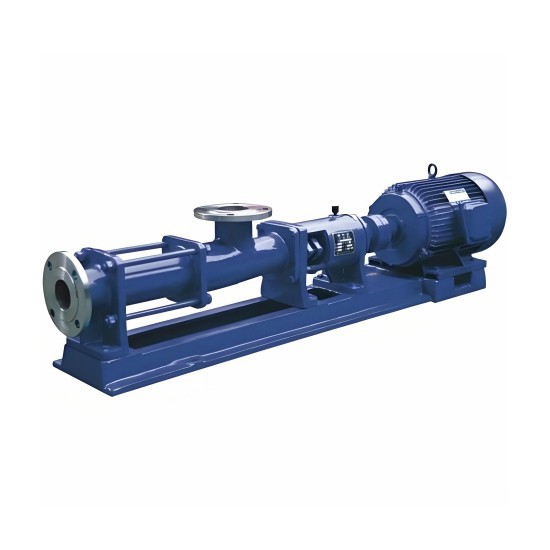
The I - 1B Screw Pump is a remarkable piece of engineering designed for a wide range of applications, especially in chemical industries. Its working principle is based on the meshing of screws to displace fluid. As the screws rotate, they create a series of sealed cavities that move the fluid from the suction side to the discharge side. This positive displacement mechanism provides a smooth, continuous flow with low pulsation, making it ideal for handling viscous and shear - sensitive fluids.
Factors Affecting Efficiency Degradation
Wear and Tear
One of the primary factors contributing to the efficiency degradation of the I - 1B Screw Pump is wear and tear. The continuous contact between the screws and the pump housing, as well as the fluid being pumped, gradually erodes the surfaces. The screw profiles may change over time, leading to a reduction in the volume of fluid displaced per revolution. This results in a decrease in the pump's flow rate and overall efficiency. For example, in applications where the pumped fluid contains abrasive particles, the wear rate can be significantly accelerated.
Viscosity Changes
The viscosity of the fluid being pumped also plays a vital role in the pump's efficiency. The I - 1B Screw Pump is designed to operate within a specific viscosity range. If the viscosity of the fluid changes over time, it can affect the pump's performance. An increase in viscosity can cause the pump to work harder, leading to higher energy consumption and potentially reducing efficiency. Conversely, a decrease in viscosity may result in internal leakage, as the fluid can more easily bypass the screw meshing, again reducing the pump's volumetric efficiency.
Seal Degradation
The seals in the I - 1B Screw Pump are essential for preventing fluid leakage and maintaining the pump's efficiency. Over time, the seals can degrade due to factors such as chemical exposure, temperature variations, and mechanical stress. Once the seals start to fail, fluid can leak out of the pump, reducing the flow rate and efficiency. Moreover, external contaminants can enter the pump through the faulty seals, further exacerbating the wear and tear on the internal components.
Measuring Efficiency Degradation
To accurately determine the efficiency degradation rate of the I - 1B Screw Pump over time, several parameters need to be monitored. These include flow rate, pressure, power consumption, and temperature. By regularly measuring these parameters, we can establish a baseline performance for the pump and track any changes over time.
Flow rate is perhaps the most straightforward parameter to measure. A decrease in flow rate indicates a reduction in the pump's ability to move fluid, which is a clear sign of efficiency degradation. Pressure measurements can also provide valuable insights. If the pump is struggling to maintain the required discharge pressure, it may be due to internal leakage or wear on the screws.
Power consumption is another critical parameter. As the pump's efficiency decreases, it typically requires more power to achieve the same level of performance. By monitoring power consumption, we can detect any abnormal increases, which may indicate a problem with the pump's efficiency.
Temperature is also an important factor. An increase in the pump's operating temperature can be a sign of increased friction due to wear or improper lubrication. High temperatures can also accelerate the degradation of seals and other components, further reducing the pump's efficiency.
Case Studies
To illustrate the efficiency degradation rate of the I - 1B Screw Pump in real - world applications, let's look at a few case studies.
In a chemical processing plant, an I - 1B Screw Pump was used to transfer a viscous polymer solution. Over a period of two years, regular monitoring of the pump's performance revealed a gradual decrease in flow rate. The initial flow rate was 50 cubic meters per hour, but after two years, it had dropped to 45 cubic meters per hour, representing a 10% reduction. The power consumption had also increased by approximately 15% during the same period, indicating a significant loss of efficiency.
In another case, a food processing company used an I - 1B Screw Pump to handle a liquid food product. The pump was operating in a relatively clean environment, but due to temperature variations in the processing line, the viscosity of the product changed slightly over time. After one year of operation, the pump's efficiency had decreased by about 8%, mainly due to internal leakage caused by the viscosity changes.
Comparison with Other Pump Types
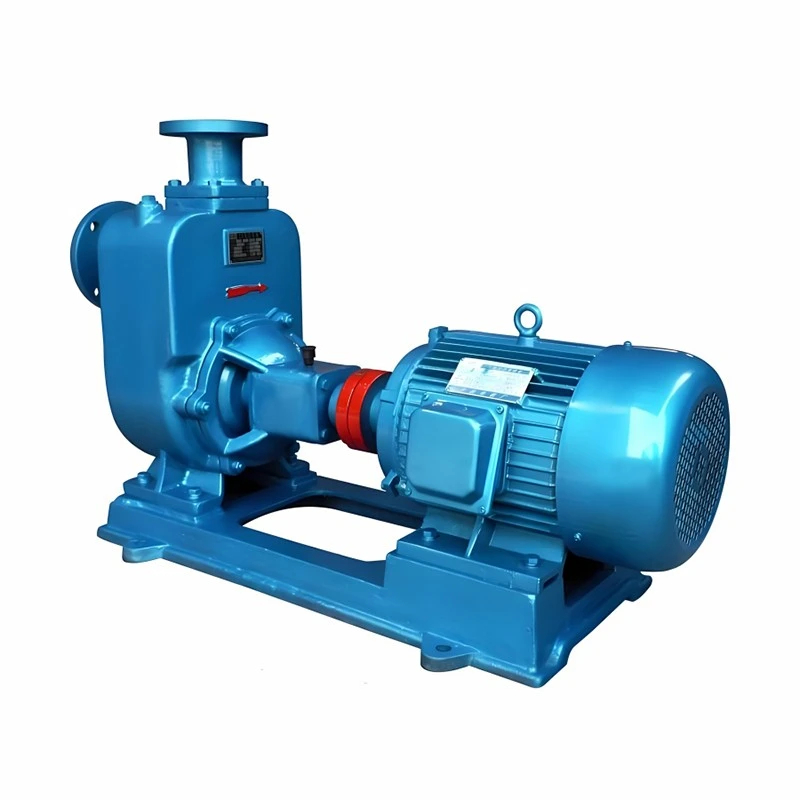
It's also interesting to compare the efficiency degradation rate of the I - 1B Screw Pump with other types of pumps, such as the ZX Self - priming Centrifugal Pump and the KCB Gear Oil Pump.
Centrifugal pumps, like the ZX Self - priming Centrifugal Pump, rely on the centrifugal force generated by an impeller to move fluid. They are generally more suitable for low - viscosity fluids and high - flow applications. However, they are more prone to cavitation, which can cause rapid wear and efficiency degradation. In contrast, the I - 1B Screw Pump is less susceptible to cavitation, making it a better choice for handling viscous fluids and applications where a smooth, continuous flow is required.
Gear pumps, such as the KCB Gear Oil Pump, operate by the meshing of gears to displace fluid. While they are also positive displacement pumps, they tend to have a higher noise level and may experience more wear on the gear teeth compared to the screws in the I - 1B Screw Pump. This can lead to a relatively faster efficiency degradation rate, especially in applications where the fluid contains abrasive particles.
Mitigating Efficiency Degradation
As a supplier, we are committed to helping our customers minimize the efficiency degradation of the I - 1B Screw Pump. Here are some strategies we recommend:
Regular Maintenance
Regular maintenance is crucial for ensuring the long - term performance of the pump. This includes inspecting and replacing worn - out components, such as seals and screws, at the recommended intervals. Lubrication is also essential to reduce friction and wear. Using the correct lubricant and following the manufacturer's guidelines can significantly extend the pump's lifespan and maintain its efficiency.
Fluid Management
Proper fluid management is another key factor. Ensuring that the fluid being pumped is within the recommended viscosity and temperature range can prevent unnecessary stress on the pump. Filtration systems can also be installed to remove abrasive particles from the fluid, reducing the wear on the internal components.
Monitoring and Control
Implementing a comprehensive monitoring and control system can help detect any early signs of efficiency degradation. By continuously monitoring parameters such as flow rate, pressure, power consumption, and temperature, operators can take proactive measures to address any issues before they become severe.
Conclusion
In conclusion, the efficiency degradation rate of the I - 1B Screw Pump over time is influenced by several factors, including wear and tear, viscosity changes, and seal degradation. By understanding these factors and implementing appropriate mitigation strategies, such as regular maintenance, fluid management, and monitoring, customers can ensure the long - term performance and efficiency of the pump.
As a leading supplier of the I - 1B Screw Pump, we have the expertise and resources to support our customers in optimizing the performance of their pumping systems. If you are interested in learning more about our products or discussing your specific pumping requirements, we encourage you to contact us for a detailed consultation and procurement discussion.
References
- Pump Handbook, Karassik, I. J., Messina, J. P., Cooper, P. & Heald, C. C. (2008).
- Positive Displacement Pumps: Technology and Applications, Bloch, H. P. & Sobieski, R. K. (2006).
- Chemical Engineering Fluid Mechanics, McCabe, W. L., Smith, J. C. & Harriott, P. (2005).