

As a supplier of I - 1B Screw Pumps, I've spent a good deal of time thinking about the factors that can impact the performance of these pumps. One of the most critical elements that often gets overlooked is the pipe diameter. In this blog post, I'm going to dive into how pipe diameter can affect the performance of an I - 1B Screw Pump.
Flow Rate and Pipe Diameter
Let's start with the basics. The flow rate of a pump is a measure of how much fluid it can move in a given amount of time. When it comes to the I - 1B Screw Pump, the pipe diameter plays a huge role in determining the flow rate.
If the pipe diameter is too small, it creates a bottleneck. The fluid has to squeeze through a narrow space, which restricts the flow. This is similar to trying to pour a large amount of water through a straw. The water can't flow quickly because the opening is so small. In the case of the I - 1B Screw Pump, a small - diameter pipe can lead to a significant drop in the flow rate. The pump might be working hard, but it won't be able to deliver the fluid at the desired speed.
On the other hand, if the pipe diameter is too large, the fluid doesn't have enough resistance. It's like a river flowing through a wide, flat plain. The water spreads out, and the flow becomes sluggish. In a pump system, this means that the pump might not be able to build up enough pressure to move the fluid effectively. The I - 1B Screw Pump is designed to work within a certain range of pipe diameters to maintain an optimal flow rate.
Pressure and Pipe Diameter
Pressure is another crucial aspect of pump performance. The I - 1B Screw Pump is designed to generate a specific amount of pressure to move the fluid through the system. The pipe diameter has a direct impact on this pressure.
A smaller pipe diameter increases the pressure. As the fluid is forced through a narrow space, the pressure builds up. This can be both good and bad. On the positive side, if you need to move the fluid over a long distance or to a high elevation, a smaller pipe diameter can help the pump generate the necessary pressure. However, if the pressure becomes too high, it can put a lot of stress on the pump and the pipes. It might cause leaks, damage to the pump components, or even a complete failure of the system.
Conversely, a larger pipe diameter reduces the pressure. The fluid has more space to move, so the pressure doesn't build up as much. This can be a problem if the pump needs to overcome a certain amount of resistance, such as friction in the pipes or the weight of the fluid column. If the pressure is too low, the fluid might not reach its destination, or it might flow too slowly.
Efficiency and Pipe Diameter
Efficiency is a key consideration for any pump system. The I - 1B Screw Pump is designed to be as efficient as possible, but the pipe diameter can have a big impact on this.
When the pipe diameter is properly sized for the pump, the pump can operate at its peak efficiency. The flow rate and pressure are balanced, and the pump doesn't have to work harder than necessary. This means less energy consumption and lower operating costs.
However, if the pipe diameter is incorrect, the pump's efficiency drops. A small - diameter pipe forces the pump to work harder to maintain the flow rate, which uses more energy. A large - diameter pipe, on the other hand, might not allow the pump to build up enough pressure, also leading to inefficiency.
Choosing the Right Pipe Diameter
So, how do you choose the right pipe diameter for your I - 1B Screw Pump? It's not a one - size - fits - all situation. You need to consider several factors, such as the flow rate you need, the distance the fluid needs to travel, the elevation change, and the type of fluid being pumped.
If you're unsure, it's always a good idea to consult with a professional. At our company, we have a team of experts who can help you select the right pipe diameter for your specific application. We've been in the business for a long time, and we've seen all kinds of pump systems. We know how important it is to get the pipe diameter right to ensure the best performance of your I - 1B Screw Pump.
Other Related Pumps
While we're on the topic of pumps, it's worth mentioning some other types of pumps that might be relevant to your needs. The Cantilever Corrosion - resistant Pump is a great option if you're dealing with corrosive fluids. It's designed to withstand the harsh chemicals and prevent corrosion, which can extend the life of the pump.
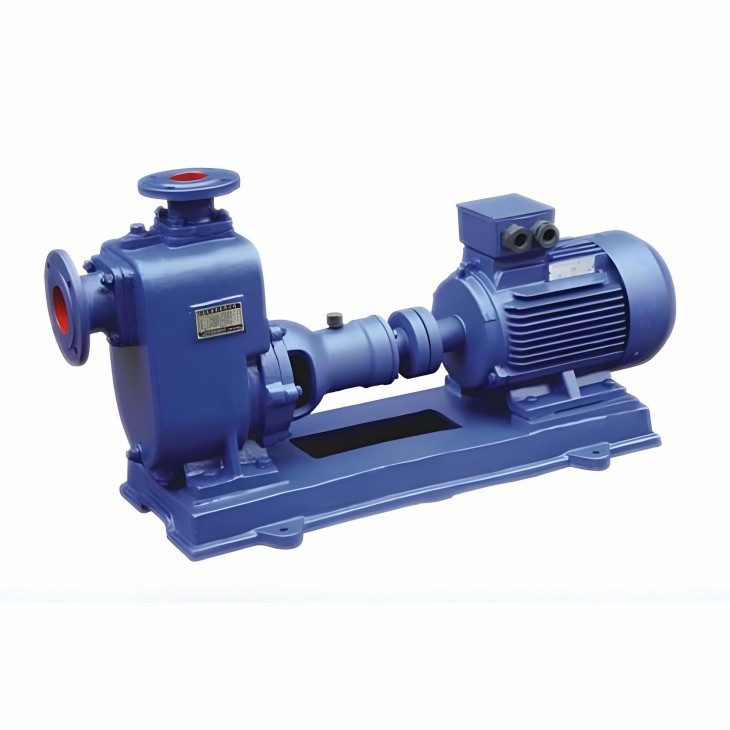
The ZX Self - priming Centrifugal Pump is another useful pump. It's self - priming, which means it can start up without having to be filled with fluid first. This can save you a lot of time and hassle, especially in applications where the pump needs to be started and stopped frequently.
Conclusion
In conclusion, the pipe diameter has a significant impact on the performance of an I - 1B Screw Pump. It affects the flow rate, pressure, and efficiency of the pump. Choosing the right pipe diameter is crucial to ensure that the pump operates at its best and that your system runs smoothly.

If you're in the market for an I - 1B Screw Pump or need advice on pipe sizing, don't hesitate to reach out. We're here to help you make the right choices for your pump system. Whether you're a small business or a large industrial operation, we have the expertise and the products to meet your needs. Contact us today to start the conversation about your pump requirements and let's work together to get you the best performance out of your pump system.
References
- "Pump Handbook" by Igor J. Karassik et al.
- Various industry - specific technical papers on pump performance and pipe sizing.