

Hey there! As a supplier of the I - 1B Screw Pump, I've seen firsthand how these pumps can be real workhorses in various industries. But like any piece of equipment, they need to be optimized to perform at their best. In this blog, I'll share some tips on how to optimize the operation of an I - 1B Screw Pump.
Understanding the Basics of the I - 1B Screw Pump
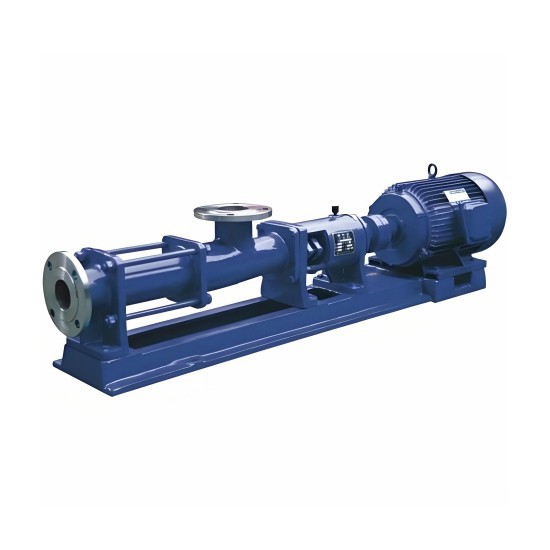
First off, let's quickly go over what the I - 1B Screw Pump is all about. It's a type of positive displacement pump that uses screws to move fluid through the system. The screws intermesh, creating chambers that trap and transport the fluid from the inlet to the outlet. This design allows for a smooth, continuous flow, which is great for handling viscous fluids and maintaining a stable pressure. You can learn more about it on our I - 1B Screw Pump page.
Proper Installation
The first step in optimizing the operation of an I - 1B Screw Pump is to install it correctly. A proper installation ensures that the pump is aligned properly, reducing vibration and wear on the components. Make sure to follow the manufacturer's instructions carefully when installing the pump.
- Alignment: Misalignment can cause excessive stress on the pump shaft and bearings, leading to premature failure. Use precision alignment tools to ensure that the pump and motor are perfectly aligned.
- Mounting: The pump should be mounted on a stable base to prevent vibration. A flexible coupling can also help absorb any minor misalignments and vibrations.
- Piping: The piping connected to the pump should be properly sized and supported. Avoid sharp bends and restrictions in the piping, as these can cause pressure drops and reduce the pump's efficiency.
Fluid Compatibility
The I - 1B Screw Pump is designed to handle a wide range of fluids, but it's important to make sure that the fluid you're pumping is compatible with the pump's materials. Using an incompatible fluid can cause corrosion, erosion, and other damage to the pump components.
- Viscosity: The viscosity of the fluid affects the pump's performance. The I - 1B Screw Pump is well - suited for handling viscous fluids, but there are limits. If the fluid is too viscous, the pump may struggle to move it, leading to reduced flow and increased power consumption. On the other hand, if the fluid is too thin, it may cause leakage and reduced efficiency.
- Chemical Compatibility: Check the chemical properties of the fluid against the pump's materials. Some fluids may react with the pump's metals, elastomers, or plastics, causing damage over time. If you're unsure about the compatibility, consult with the pump manufacturer or a fluid expert.
Regular Maintenance
Regular maintenance is crucial for keeping the I - 1B Screw Pump running smoothly. It helps prevent breakdowns, extends the pump's lifespan, and ensures optimal performance.
- Lubrication: The bearings and other moving parts of the pump need to be properly lubricated. Use the recommended lubricant and follow the manufacturer's guidelines for lubrication intervals.
- Seal Inspection: The seals in the pump prevent fluid leakage. Inspect the seals regularly for signs of wear or damage. Replace any worn or damaged seals promptly to avoid leakage and potential damage to the pump.
- Component Replacement: Over time, some components of the pump may wear out. Keep an inventory of critical spare parts, such as bearings, seals, and screws, and replace them as needed.
Monitoring and Control
Monitoring the pump's performance is an important part of optimization. By keeping an eye on key parameters, you can detect any potential issues early and take corrective action.
- Flow and Pressure: Monitor the flow rate and pressure of the pump. Any significant changes in these parameters could indicate a problem, such as a blockage in the piping or a worn - out component.
- Temperature: The temperature of the pump and the fluid can also provide valuable information. High temperatures may indicate excessive friction or a problem with the cooling system.
- Vibration: Excessive vibration can be a sign of misalignment, imbalance, or other mechanical problems. Use vibration sensors to monitor the pump's vibration levels and take action if necessary.
Comparison with Other Pumps
It's also interesting to compare the I - 1B Screw Pump with other types of pumps. For example, the Cantilever Corrosion - resistant Pump is designed for handling corrosive fluids, while the KCB Gear Oil Pump is commonly used for pumping oil. Each type of pump has its own advantages and disadvantages, and the choice depends on the specific application.
The I - 1B Screw Pump offers a smooth flow, high efficiency, and the ability to handle viscous fluids, which makes it a great choice for many applications. However, in some cases, other pumps may be more suitable. For instance, if you need to handle highly corrosive fluids, the Cantilever Corrosion - resistant Pump may be a better option.
Training and Operator Knowledge
Finally, having well - trained operators is essential for optimizing the operation of the I - 1B Screw Pump. Operators should be familiar with the pump's operation, maintenance procedures, and safety precautions. Provide regular training to ensure that operators are up - to - date with the latest best practices.

Conclusion
Optimizing the operation of an I - 1B Screw Pump involves a combination of proper installation, fluid compatibility, regular maintenance, monitoring, and operator training. By following these tips, you can ensure that your pump operates efficiently, reliably, and has a long lifespan.
If you're interested in learning more about our I - 1B Screw Pump or have any questions about optimizing its operation, don't hesitate to get in touch. We're here to help you make the most of your pumping system and can assist you with any procurement or technical queries.
References
- Manufacturer's manual for the I - 1B Screw Pump
- Industry standards for pump installation and maintenance
- Technical papers on positive displacement pumps